We understand portable power station batteries require careful chemistry identification, proper labeling, and strict chain-of-custody to prevent hazards and contamination. Our approach prioritizes compliant packaging, trained handling, and transparent reporting from certified recyclers. We’ll weigh regulatory requirements, data-driven disposal options, and circular-economy outcomes to minimize risk and maximize value. Stay with us as we unpack local options, testing, and take-back programs that align with safety standards and environmental goals, so you can act with confidence when it matters most.
Key Takeaways
- Identify battery chemistry and model before disposal to determine correct recycling stream and handling requirements.
- Transport and store batteries upright, isolated by chemistry, with leak-proof containment and signage.
- Inspect for swelling, leaks, or corrosion; quarantine and document batch origin and serials for auditing.
- Use non-destructive tests and follow data-driven risk assessments to guide disassembly and material recovery.
- Ensure compliant labeling, chain-of-custody, and alignment with EH&S regulations for safe, lawful shipment and recycling.
What Batteries Come in Portable Power Stations?
Portable power stations typically use rechargeable lithium-ion or lithium-iron phosphate (LiFePO4) batteries, selected for energy density, cycle life, and thermal stability. We, as stewards of responsible energy, examine what battery chemistries we commonly encounter. The dominant formats are cylindrical and prismatic cells configured into modules that deliver scalable capacity for charging, backup, and off-grid use. Battery chemistry choices influence safety protocols, performance, and end-of-life handling. We track regulatory expectations so installations meet disposal regulations while minimizing environmental impact. For users, this means documenting chemistries, timing replacements, and coordinating recycling through authorized channels. In all cases, our goal remains reducing hazardous waste and maximizing material recovery, without compromising reliability or efficiency. Clear labeling, traceability, and compliant disposal practices are essential.
Identify Battery Type and Chemistry
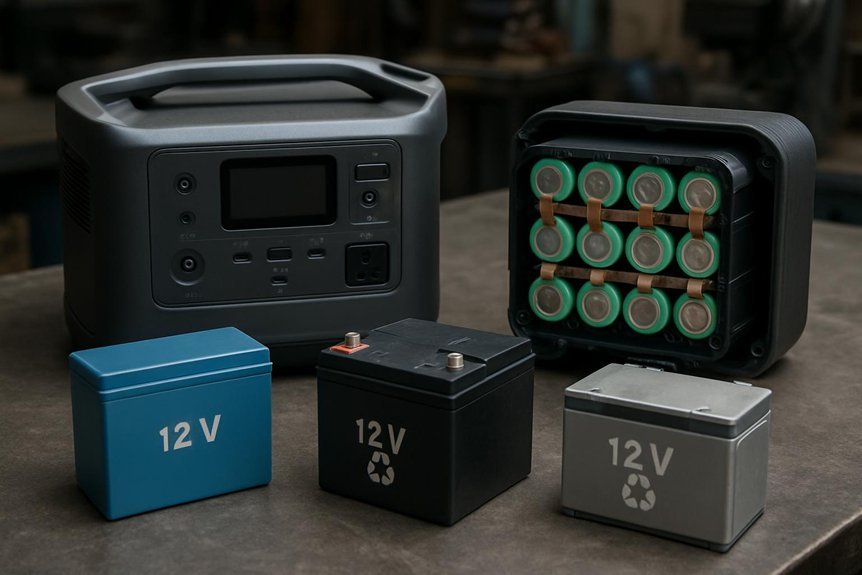
We identify the battery type and chemistry to determine appropriate recycling pathways and regulatory requirements. We’ll outline the Battery Type Overview, present Chemistry Identification Techniques, and summarize Safe Handling Guidelines with evidence-backed steps. Our approach emphasizes data accuracy, compliance, and sustainability to minimize environmental impact.
Battery Type Overview
There are several common battery chemistries used in portable power stations, each with distinct performance, safety, and recycling implications. We summarize the principal types we encounter, focusing on chemistry, energy density, cycle life, and thermal behavior. Lithium-ion variants dominate portable systems for their high energy density and broad operating temperature ranges, but they demand robust thermal management and clear regulatory labeling. Lithium iron phosphate offers enhanced stability and longer cycle life in some models, albeit with lower energy density. Nickel manganese cobalt and nickel cobalt aluminum chemistries provide varied trade-offs between power delivery and durability. Lead-acid remains relevant for cost-sensitive applications, though heavier and recycling-intensive. Across all chemistries, we emphasize battery safety and regulatory compliance to guide responsible end-of-life handling and environmental stewardship.
Chemistry Identification Techniques
To identify battery type and chemistry accurately, we start from measurable indicators rather than assumptions. We rely on identification methods that compare observed data to established chemistry data, following regulatory guidance and sustainability targets. Visual cues, weight, voltage, and impedance inform regulatory-compliant sorting decisions. Chemical signatures from non-destructive tests confirm specifics while minimizing waste. We document results to support circular economy reporting and transporter declarations. The approach emphasizes traceability, auditability, and safe handling downstream, without assuming chemistry from appearance alone.
| Indicator | Significance |
|---|---|
| Weight/size | Guides baseline classification |
| Voltage/impedance | Distinguishes chemistries with overlapping forms |
This structured method reduces improper disposal and enhances recycling efficiency.
Safe Handling Guidelines
How can we safely handle portable power station batteries once we’ve identified their type and chemistry? We begin with defined handling practices, informed by data and regulations. For each chemistries group, we follow manufacturer guidelines and applicable disposal regulations to minimize risk. We minimize short-circuit potential by keeping terminals insulated, using original packaging when possible, and avoiding metal containment that could spark. We transport batteries in upright, cushioned containers, separated by chemistry class to prevent cross-contamination. We perform visual inspections for swelling, leaks, or corrosion and quarantine any suspect units for professional evaluation. Staff receive ongoing training on battery safety, emergency response, and regulatory changes. Our approach prioritizes sustainability, traceability, and compliant end-of-life pathways, ensuring responsible reuse, recycling, or disposal regulations adherence.
Why Proper Disposal Matters for Portable Power Station Batteries
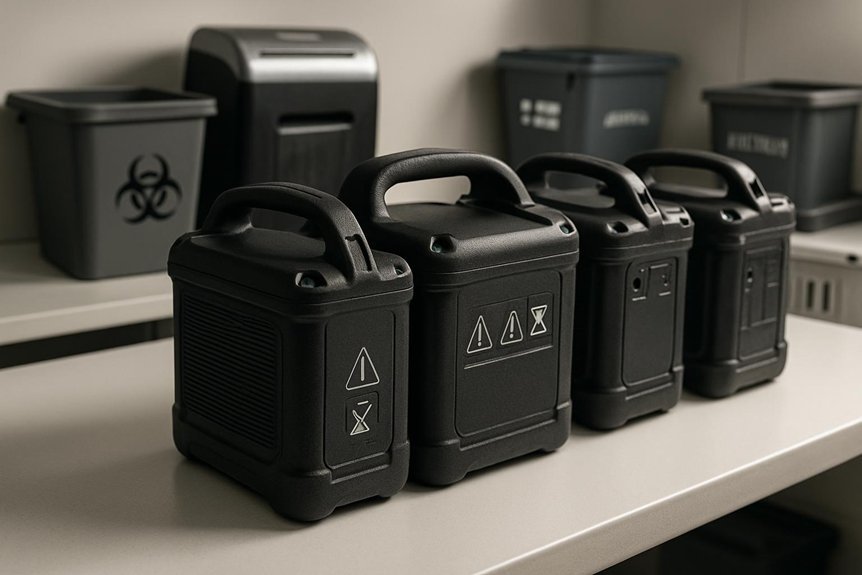
Proper disposal matters because improperly discarded portable power station batteries can leak, ignite, or contaminate air, water, and soil—risks that scale with volume and regional waste infrastructure. We translate data into action, highlighting failure modes, failure rates, and exposure pathways to guide safe practices. Battery safety isn’t cosmetic; it affects ecosystem health, worker safety, and community risk profiles. Regulatory frameworks establish thresholds for charging, packing, transport, and end-of-life handling, and we align our recommendations with those standards to support legal compliance. By prioritizing secure containment, clear labeling, and documented chain-of-custody, we reduce incidents and remediation costs. We advocate for lifecycle thinking, reusable packaging where feasible, and transparent reporting to stakeholders, reinforcing a sustainable, compliant disposal approach for all portable power stations.
Find Certified Recyclers and Take-Back Programs
We can help you locate certified recyclers and take-back programs that meet regulatory and sustainability standards, ensuring end-of-life handling aligns with safety, environmental, and data-tracking requirements. We compile verified options based on compliance records, certification bodies, and chain-of-custody audits, not marketing claims. Our approach prioritizes adherence to hazardous waste rules, lithium battery egress controls, and transporter licenses, reducing spill risk and misrouting. We emphasize program scope, including battery types accepted, reporting intervals, and data privacy safeguards. By mapping incentives, fees, and credential validity, we enable informed decisions grounded in performance metrics and regulatory alignment. We also highlight transparency indicators such as public recycling rates, third-party verifications, and incident histories, helping you choose responsible partners that sustain resource recovery and minimize environmental impact. ignore topic A, topic B.
Locate Local Options: What to Expect From Recyclers
Locating local options starts with knowing what to expect from recyclers: clear scope, vetted credentials, and transparent performance data. We’re focusing on measurable standards, not guesswork. Recyclers should provide explicit service boundaries, accepted battery types, and documented chain-of-custody, so you can track activity from drop-off to final processing. Look for third-party certifications, licensed facilities, and compliance with local and national rules on hazardous waste. Data-driven disclosures—volume recovered, diversion rates, and environmentally sound treatment—demonstrate accountability and continual improvement. If a recycler offers inconsistent guidance or vague timelines, that’s a red flag. We’re not chasing unrelated topic or off topic discussion; we’re prioritizing reproducible outcomes, risk-mitigation, and sustainable value. Gather, compare, and document responses to ensure decisions align with regulatory expectations and our sustainability commitments.
Prepare Portable Power Station Batteries for Recycling
We follow strict handling and safety measures, ensuring personnel use appropriate PPE and work in controlled environments to minimize risk. We outline proper disassembly procedures, documenting steps transparently to support traceability and regulatory compliance. We implement safe containment and labeling practices to clearly identify batteries, reduce exposure, and facilitate compliant recycling pathways.
Handling And Safety Measures
Handling and safety are the backbone of prepping portable power station batteries for recycling; what we do before disposal directly affects worker safety, environmental impact, and regulatory compliance. We present a data-driven approach to handling, emphasizing risk assessment, PPE, induction training, and incident reporting. Our procedures minimize thermal, chemical, and electrical hazards while ensuring traceability for compliance audits. We quantify storage limits, venting considerations, and leak detection with clear thresholds. We document chain-of-custody and battery provenance to avoid unsafe “unused topic” transfers and the appearance of an “irrelevant idea.” By standardizing labeling, segregation, and transport routes, we reduce cross-contamination and exposure. In short, disciplined handling safeguards people, the planet, and policy alignment, reinforcing a sustainable, responsible recycling workflow.
Proper Disassembly Procedures
Proper disassembly starts from the safety groundwork we’ve laid in handling and safety: we apply a structured, data-driven approach to separate components without triggering thermal events or chemical exposures. We outline repeatable steps that minimize risk while preserving material value, aligning with disposal ethics and transport regulations. Our procedure emphasizes cautious separation of modules, identification of hazardous elements, and documentation for regulatory compliance, so recyclers can verify process integrity. We prioritize traceability, reuse where possible, and minimized waste streams, reinforcing sustainability goals.
- Identify hazardous parts and isolate them for compliant handling
- Document batch origin, serials, and component types for auditing
- Use non-destructive disassembly methods to preserve material value
- Segregate metals, plastics, and electronics for correct recycling streams
Safe Containment And Labeling
Safe containment and labeling ensures batteries are prepared for recycling without compromising safety or compliance. We present a data-driven approach, outlining practical steps we can follow to minimize risk and maximize recovery. For containment, we select compatible, nonreactive containers with leak-proof lids, and we segregate modules by chemistry to prevent cross-contamination. We implement secondary containment for spill control and use absorbents where needed, documenting lot numbers and expiration dates. For labeling, we ensure clear, durable markings that identify chemistry, voltage, and handling instructions, paired with visible hazardous-material indicators as required by regulations. We maintain audit trails, verify container integrity before transport, and align practices with environmental, health, and safety standards. Together, these measures support safe containment, proper labeling, and compliant recycling outcomes.
Ship Batteries Safely and Legally
How can we move power safely and legally? We ship batteries with clear labeling, compliant packaging, and documented chain of custody, ensuring transport meets current standards and minimizes risk. Our approach is data-driven: we track shipment profiles, incident rates, and compliance checks to uphold sustainability goals and regulatory sanity. By aligning with recycling regulations and hazardous waste transport rules, we reduce exposure and legal exposure while maximizing recovery value. We emphasize training, audits, and emergency procedures so crews act confidently under pressure. Transparent reporting helps stakeholders verify responsible handling from origin to destination.
- Adopt compliant packaging and labeling that matches shipment Type and Class
- Maintain documented manifests, safety data sheets, and chain-of-custody records
- Vet carriers for hazardous waste transport credentials and incident histories
- Monitor performance metrics to drive continual improvement
Alternatives to Recycling: Prolonging Portable Battery Life
From our observation of shipping and handling practices, we can extend the value of portable power sources by prioritizing longevity over immediate disposal. We advocate energy efficiency measures that reduce wear and heat generation during use and charge cycles, supported by standardized testing and regulatory guidance. Practical steps include optimizing charging profiles, avoiding deep discharges, and selecting compatible, certified accessories to minimize degradation. We emphasize lifespan extension through user education on ambient operating ranges and scheduled maintenance, which lowers failure rates and downstream waste. Data-driven monitoring of cycle life, temperature, and current draw informs procurement and end-user practices. Regulatory-conscious stewardship aligns with extended producer responsibility concepts, ensuring transparent reporting and consistency across markets. In sum, durability and responsible design yield sustainable performance without excessive resource consumption.
Frequently Asked Questions
What Happens to Batteries After Recycling Is Accepted?
We process the recovered materials into recycled byproducts, ensuring regulatory compliance at every step, while auditing streams for accuracy and efficiency; we’re committed to minimizing waste, maximizing reuse, and tracking outputs to support sustainable recycling byproducts.
Are There Any Costs for Processor or Transport Fees?
Yes, there are processing costs and transport fees. We track data rigorously, report every fee, and aim to minimize impact; our numbers show modest processing costs and transparent transport fees, all aligned with sustainability and regulatory standards.
How Long Do Recycled Materials Take to Re-Enter Products?
We estimate recycling timelines vary by material, typically weeks to months, and material reuse durations can extend from months to years; we monitor data closely, ensuring regulatory compliance and transparency in our sustainability reporting and lifecycle assessments.
Can Used Batteries Be Recharged Before Disposal?
We can rephrase: Yes, used batteries can be recharged before disposal in many cases, but recharging feasibility depends on chemistry and safety protocols; disposal timing should align with regulatory guidance and lifecycle data we track for sustainability.
What Safety Risks Exist During Citizen-Led Recycling Efforts?
We must highlight safety risks, and we avoid generalities: exposure to hazardous materials, thermal runaway, and improper handling. We adopt safety protocols, pursue community training, document incidents, and enforce regulatory-compliant, data-driven, sustainability-focused citizen-led recycling practices.
Conclusion
We can’t overstate the importance of proper disposal: it protects people, ecosystems, and the long-term value of materials. By identifying chemistry, selecting certified recyclers, and maintaining transparent reporting, we align with regulations and sustainability goals. Think of our responsibility as a safety net—catching hazardous waste before it slips through. With data-driven tracking and take-back programs, we minimize risk, maximize recovery, and support a circular economy for portable power station batteries.