We examine warranty structures through concrete data and durability milestones, tying protection to measurable performance and expected failure rates. By clarifying coverage, exclusions, and transferability, we map maintenance timing and total ownership costs with precision. We’ll compare terms against reliability targets to forecast maintenance intervals and minimize unnecessary spares. If we align provisions with real-world durability, we can forecast risk reductions against upfront costs—and that may shape what we choose next.
Key Takeaways
- Warranties define protection duration, scope, and claim processes, shaping predictability and decision quality through clear coverage windows and exclusions.
- Coverage vs. non-coverage elements vary by product family, with wear, cosmetic, and improper use often excluded or limited.
- Reliability practices reduce total ownership cost via disciplined data collection, preventive maintenance, and design-for-reliability improvements.
- A 5-step warranty comparison clarifies scope, exclusions, timelines, service reach, and transferability to reveal true value.
- Future-proofing asks for renewal options, updates, transparent failure reporting, upgrade paths, and third-party durability validation.
Why Warranty Structures Matter for Your Purchases
Warranty structures matter because they define how long a product is protected, what is covered, and how claims are processed. We examine how these elements translate into user impact and decision quality. We assess design considerations that influence durability, failure rates, and ease of service, aligning warranty terms with actual performance data. Our review emphasizes predictability: clear coverage windows, defined exclusions, and transparent claim steps reduce uncertainty and administrative delay. We quantify potential risk reductions tied to longer or more comprehensive coverage and compare them against upfront cost implications. By mapping coverage scope to maintenance schedules and replacement likelihood, we expose the true value of each structure. Readers gain a precise framework to evaluate warranties against product lifecycle costs, reliability expectations, and long-term ownership objectives.
What Warranties Cover (and What They Often Don’t)
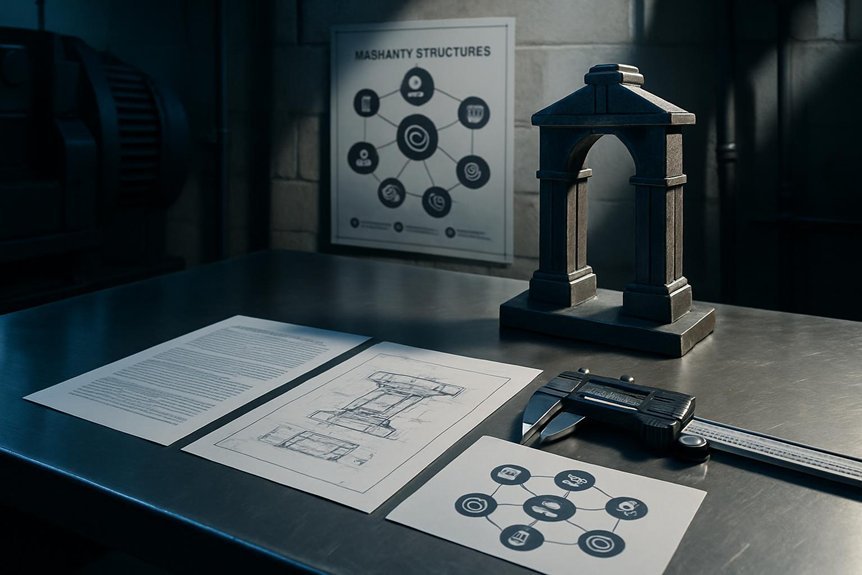
Most warranties reveal what is covered and, just as often, what’s not. We approach this with precise exceptions in mind, mapping typical coverage to real-world outcomes. In our view, limited-duration terms, specified failure modes, and material or workmanship criteria shape the baseline. We quantify common gaps by category: wear and tear, cosmetic damage, and modular failures outside stated performance thresholds. Coverage exclusions frequently exclude routine maintenance, improper installation, and aftermarket alterations, leaving decisions about warranty applicability to interpretation of fault and timing. We assess product families by issuing body, governing law, and service-channel constraints to identify predictable gaps. Our disciplined approach highlights warranty gaps and coverage exclusions, guiding readers to align expectations, prepare documentation, and make informed purchase choices with transparent risk profiles.
How Reliability Practices Lower Your Total Ownership Cost
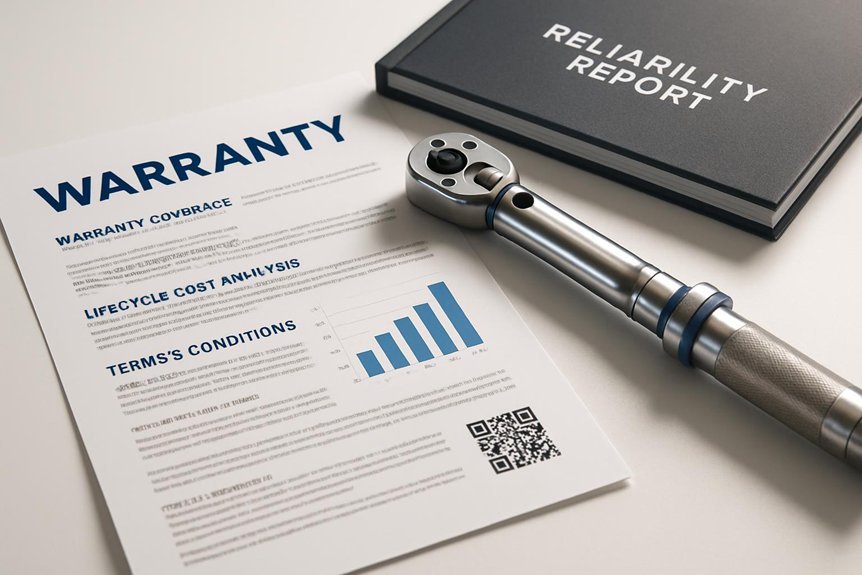
How can reliability practices trim the total ownership cost without sacrificing performance? We approach this by measuring reliability metrics, then linking outcomes to cost of ownership. Our method begins with disciplined data collection: failure rates, mean time between failures, and corrective action cycles. We prioritize preventive maintenance, root-cause analysis, and design-for-reliability adjustments that reduce unplanned downtime. By forecasting maintenance intervals and inventory needs, we minimize spares, disruptions, and energy waste. We quantify reliability improvements in uptime, throughput, and serviceability, translating them into monetary terms: labor, parts, and downtime penalties. Continuous monitoring enables early warnings and proactive interventions, lowering repair severity and total life-cycle spend. In short, disciplined reliability practices convert reliability gains into durable cost reductions without compromising performance.
A 5-Step Checklist to Compare Warranties
Ever wondered how to objectively compare warranties across products or suppliers? We’ve built a concise, data‑driven 5‑step checklist to reveal true warranty value. Step 1: define coverage scope, noting warranty variance across components. Step 2: quantify exclusions and limits, comparing caps and duration. Step 3: map claim timelines, evaluating response, repair, and replacement windows. Step 4: assess service network reach, parts availability, and technician access. Step 5: validate transferability and renewal terms, isolating hidden costs. Use a side‑by‑side approach to surface gaps fast.
| Step | Focus |
|---|---|
| 1 | Coverage and exclusions |
| 2 | Financial caps and durations |
Future-Proof Your Warranty: What to Ask for Now
What should you demand today to guarantee your warranty remains relevant as technology and usage evolve? We’ll outline precise inquiries that shape future proofing warranties and influence long term guarantees decisions. First, seek explicit renewal and competitive extension options tied to objective usage thresholds and product lifecycle data. Require clear coverage for updates, parts, and interoperability with evolving standards, plus a transparent failure reporting process with quantified response times. Insist on documented upgrade paths that align with projected technology trajectories and realistic replacement schedules. Demand aggregate claim metrics, service level guarantees, and cost sharing terms during inflationary periods. Finally, request independent third-party validation of durability, test results, and maintenance milestones to support ongoing value. By structuring these clauses, you preserve relevance beyond current specs.
Frequently Asked Questions
Do Warranty Terms Change With Product Upgrades or Model Year Updates?
Yes, terms can change with product lifecycle and upgrade impact. We analyze model year updates, supplier changes, and warranty tier shifts, then adjust coverage, exclusions, and durations to reflect evolving performance and reliability data for continued customer confidence.
How Does Service Accessibility Affect Warranty Validity in Remote Areas?
Service accessibility affects warranty validity: in remote locations, limited service access can delay claim submissions and repairs, potentially compromising coverage timelines. We assess travel constraints, diagnostic availability, and parts lead times to ensure accurate, data-driven conclusions.
Are There Hidden Costs for Annual Maintenance Required by the Warranty?
Yes, there can be hidden fees, especially for annual maintenance; maintenance costs may rise with parts, labor, or third-party service needs, so we track data, audit invoices, and compare plans to minimize surprise charges.
What Evidence Is Needed to Claim Failure Under the Warranty?
We require documented evidence showing failure against defined failure criteria, supported by quality control records, test results, and field data. We’ll assess claims rigorously, ensuring traceability, reproducibility, and adherence to measurement standards before approving warranty coverage.
Do Third-Party Repairs Affect Warranty Eligibility or Scope?
Third party repairs can affect warranty eligibility or scope, depending on policies; we assess impact through documented service records, timing, and model year updates, ensuring our conclusions rely on verifiable data and consistent criteria for all readers.
Conclusion
We’ve seen how warranty structures anchor reliability to real performance, not hopeful promises. By aligning coverage with durability milestones and quantified failure data, we can forecast maintenance, trim unnecessary spares, and hold total ownership costs accountable. Read the 5-step checklist and ask the right questions now. Like a compass in a storm, precise terms guide smarter decisions and steadier value over time. Together, we’ll future-proof our warranties and protect our investments.