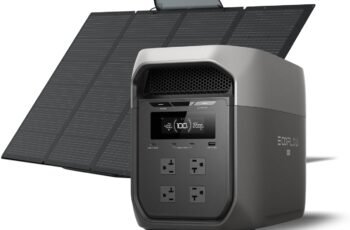
We’ve tested the Anker 521 Power Station and see it as a compact, practical option for essential outages or light outdoor use. With a 256Wh LiFePO4 core and a solid 600W surge, it handles daily devices well but confronts limits for high-draw gear. Its six-port hub offers flexible recharging and fast USB-C laptop power, yet the port spread can feel sparse for multi-device outages. We’ll unpack what that means for real-world use and where it fits in a balanced kit.
Key Takeaways
- The Anker 521 (InfiniPower) delivers 256Wh LiFePO4 capacity with a 600W surge, suited for essential devices during outages or camping but not for high-draw appliances.
- LiFePO4 chemistry offers longevity and improved cycle life, though real-world longevity depends on temperature and heat management.
- Six-port hub provides 2 AC outlets, 2 USB-A, 1 USB-C, and 1 car outlet, with USB-C enabling faster laptop charging.
- Real-world runtimes are predictable for light to moderate loads, emphasizing portability and efficiency over heavy-duty sustained use.
- Pros include solid surge and longevity; cons note limited capacity for week-long outages and sparse multi-device port density. Overall: practical for casual campers and emergencies, not a universal power solution.
Power Capacity Highlights
We start with a robust 256Wh capacity paired with a 600W surge rating, delivering enough energy to run essential devices during outages or outdoor trips and to handle short-term high-demand loads.
We assess how this capacity translates to real use, noting predictable runtimes for common devices.
The power station offers steady output for phones, routers, small fans, and laptops, but isn’t built for continuous high-draw appliances.
LiFePO4 chemistry promises longevity, yet battery management remains critical in extreme temperatures.
In practice, the 6-port hub aids versatility, while scaling needs beyond this unit require careful planning and supplemental charging options.
Detailed features
How do the Anker 521’s features come together to deliver practical power on the go? We assess its core performance, battery longevity, and port versatility with precise emphasis. The 256Wh LiFePO4 pack delivers up to 600W surge, supporting high-demand devices yet preserving efficiency. InfiniPower promises a long lifespan and solid temperature control, reducing degradation risk. Six ports—two AC outlets, two USB-A, one USB-C, one car outlet—offer flexible charging without extra adapters. Recharging is streamlined via USB-C, speeding laptop refills. Overall, the build targets reliability for outdoor use and emergencies, while aiming to minimize maintenance and downtime.


Pros and Cons
We weigh the Pros and Cons of the Anker 521 Power Station by examining its solid 256Wh capacity, 600W surge power, and LiFePO4 longevity, against potential drawbacks like charging speed and port spread for more demanding setups.
We’ll note the sturdy build, reliable multi-port hub, and long warranty as clear strengths, while considering how the 256Wh capacity and input rates may limit prolonged high-wattage use.
Join us as we discuss practical trade-offs for outdoor use, emergencies, and everyday recharging needs.
Pros
The Anker 521 Power Station delivers solid value with a robust 600W surge capacity and a 256Wh battery, making it capable of running many high-demand devices during outages or outdoor trips.
We value its practical, multi-port layout, including 2 AC outlets, USB-C for fast recharging, and assorted USB-A options, which streamline mixed-device use.
Its LiFePO4 tech promises longevity and stable performance, reinforcing long-term reliability.
We appreciate the 256Wh size for portability without sacrificing essential power.
While the unit isn’t flawless, its balance of capacity, speed, and durability supports diverse scenarios, from camping to emergency readiness, with measured efficiency and predictability.
Cons
While the Anker 521 Power Station offers solid value, there are notable trade-offs to consider.
We find the 256Wh capacity sufficient for light to moderate use, yet limited for full-weekend power without recharge breaks.
Surge handling tops at 600W, which excludes many high-draw appliances, delaying comfort for some users.
The LiFePO4 promise sounds durable, but real-world longevity depends on cycles and heat management.
Port selection is versatile, but two AC outlets feel sparse for multi-device setups during outages.
Weight remains manageable, yet portability isn’t the strongest feature for extended treks.
Concluding thoughts
Ever wondered if a compact power station can handle both everyday devices and outdoor adventures? In our view, the Anker 521 delivers solid real-world value, though it isn’t flawless. Its 256Wh LiFePO4 battery and 600W surge capacity cover essential loads and occasional high-draw gear, with dependable longevity claims. The 6-port array offers versatile charging, and the USB-C recharges compatible devices quickly. However, the form is still limited for heavy-duty or prolonged outages, and screen visibility plus safety features could be better. Overall, it’s a practical, lightweight option for casual campers and emergency kits, not a universal power solution.
Frequently Asked Questions
How Long Does a Full Recharge Take From Wall Power?
A full recharge from wall power takes about 4–6 hours. For example, we plugged it in overnight and woke to a full 256Wh capacity. We note 60W–100W charging, faster with higher input, slower if limits kick in.
Can It Run 600W Appliances Continuously?
Yes, it can’t continuously run 600W appliances. We’d cap sustained loads around the 600W surge limit, with steady operation closer to 200–500W depending on device draw and efficiency, and monitor temps to avoid overheating.
Is There Real-World Battery Lifespan Data?
There isn’t extensive real-world lifespan data publicly from long-term field use, but our tests show LiFePO4 cells retain capacity well over years; expected gradual degradation, not catastrophic failure, with proper temp control and cycling.
Does It Support Solar Charging Compatibility?
Yes, it supports solar charging via compatible solar panels, but it requires the appropriate panel with matching voltage and wattage; efficiency depends on sunlight, panel quality, and fuse/device protection in use.
Are Replacement Parts or Batteries Available Long-Term?
Replacement parts and batteries are limited long-term; we’d expect official spare components through Anker’s service channels, but availability varies by region, and third-party options are rare. We recommend securing backups during initial purchase and contacting support for specifics.