We understand you want reliable power without the drama, and we’ll deliver a practical path that starts with a solid load assessment and ends in scalable, safe systems. We keep it precise: core loads first, proper fusing, solid wiring, and smart thermal management. We balance batteries, inverters, and chargers to avoid under- or over-provisioning, while using solar and shore power for flexible charging. There’s more to consider, and what matters now will shape your setup—so let’s map it out step by step.
Key Takeaways
- Start with a clear load assessment to size batteries, inverters, and chargers without overbuilding or underpowering.
- Design a modular, expandable system with robust connections, proper fusing, and thermal management for safety and durability.
- Balance generation and storage using solar, shore power, and alternator charging to meet daytime loads and downtime.
- Prioritize core loads (fridge, lights, devices) and use staging, sequencing, and buffers to minimize peak draws.
- Document decisions, test in stages, and plan for upgrades while avoiding novelty-driven upgrades.
What This RV Power Guide Helps You Build
This RV power guide helps you build a reliable, portable electrical system you can depend on on the road. We outline a framework that supports long term camping practicalities, prioritizing safety, efficiency, and durability. Our approach starts with a clear load assessment, then selects components that balance performance with weight. We emphasize robust connections, proper fusing, and thermal management to prevent failures in varied climates. You’ll see how to size batteries, inverters, and chargers so you aren’t overprovisioned or underpowered. We address DIY limitations and point you toward reliable equipment at sensible costs. We also debunk off grid myths by teaching real-world charging strategies, peak loads, and maintenance schedules. The goal is a cohesive, expandable system that inspires confidence wherever the road leads.
How to Choose Your RV or Van Power Framework
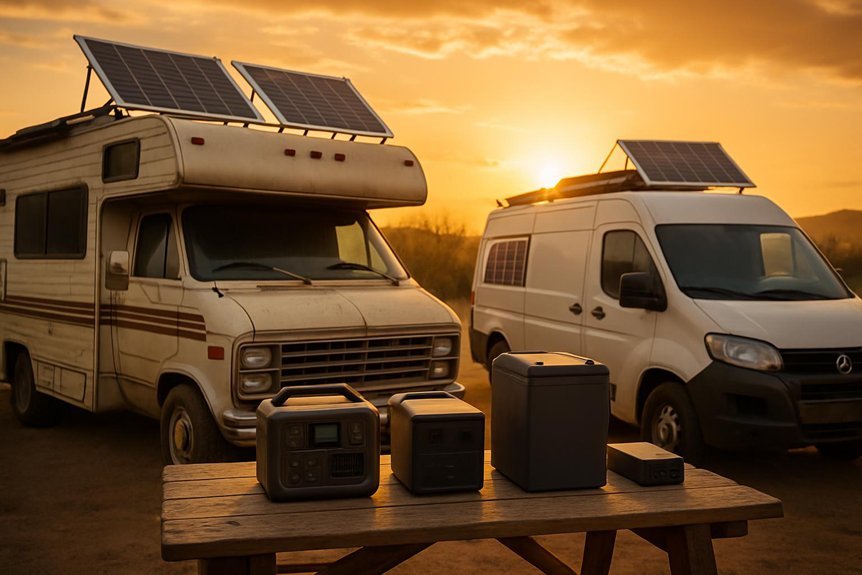
Deciding on the right power framework starts with a clear picture of how you’ll use your rig day to day. We’ll map typical loads, peak demands, and downtime, then translate that into a framework that’s scalable and reliable. Begin by defining core loads—fridge, lights, communication gear, and a laptop station—and note when each item runs. Next, consider generation and storage balance to avoid overbuilding. We’ll evaluate portable charging options for flexibility during travel days or campsite runs, ensuring you can top up without hunting outlets. Energy budgeting becomes your compass: assign wattages, estimate runtime, and build in a margin for weather or extended stays. Finally, choose a modular approach that invites tweaks as needs evolve, not a rigid, wasteful setup.
Batteries and Solar: Core Components Explained
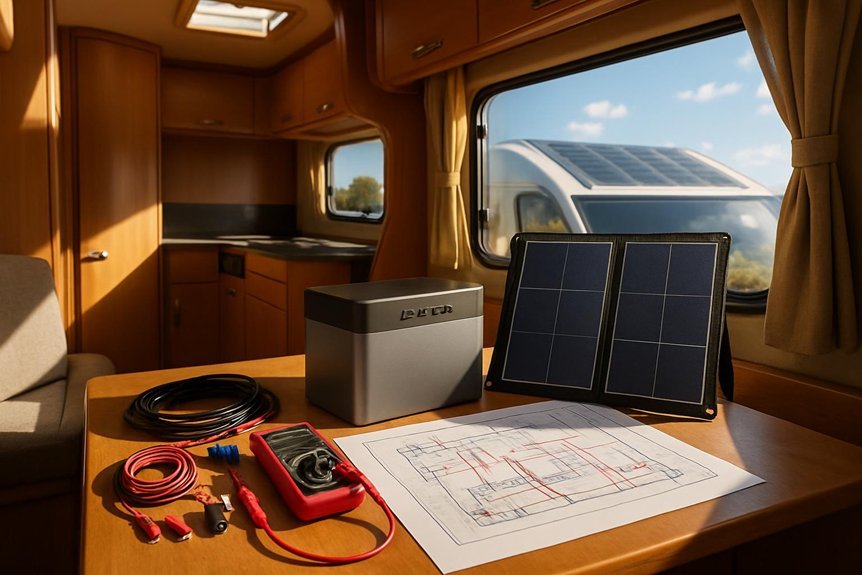
With a clear loads plan in mind, we can map the batteries and solar system to meet those demands reliably. Batteries power our systems, store excess energy, and release it when panels aren’t producing. We prioritize capacity, chemistry, and lifespan to align with daily use and cycle expectations.
Batteries basics: size the pack for your peak draw, consider voltage (12V vs. 24V), and understand depth of discharge. Solar fundamentals: sizing panels to meet daytime load plus charging losses, select efficient controllers, and account for inefficiencies in wiring. Use a simple rule: match daily energy use to solar input plus a margin for cloudy days. Keep components accessible, heat-tolerant, and safely integrated. We’ll cover wiring layouts and monitoring next, but here we establish reliable, scalable core components shape.
In-Vehicle Charging Setups for Vans and RVs
How can we keep power available while on the move? We approach in-vehicle charging with a practical, repeatable workflow. First, we map power needs to vehicle capacity, prioritizing critical loads and charging sequencing. Then we install reliable sources: alternator-adaptive chargers, shore power where available, and compact inverter/charger combos sized for the load. We configure protection: fuses, proper gauge wiring, and a dedicated battery isolator to prevent drainage of starting banks. In vehicle charging, we verify voltage stability and monitor temperatures during operation. We tucked outlets into accessible spots, using van mounted outlets for convenience while driving or camping, and route cables away from heat and moving parts. Regular checks keep systems safe, efficient, and ready for extended trips.
Budgeting, Upgrades, and Common Pitfalls to Avoid
So, how do we keep our budgeting tight, upgrades effective, and pitfalls avoided on the road? We approach budgeting with clear cost caps, contingency funds, and regular audits of planned versus actual spend. Prioritize core needs first—reliable charging, safe wiring, scalable capacity—and treat extras as optional only after fundamentals are secured. When considering upgrades, weigh upgrade tradeoffs: higher upfront cost versus longer-term efficiency, maintenance, and resale value. Favor modular systems that allow incremental growth, not rigid, overbuilt setups. Document every decision, compare options, and seek reputable parts with solid warranties. Identify budgeting pitfalls early—underestimating installation time, ignoring professional costs, or chasing novelty over necessity. Finally, test systems in stages to verify performance before committing to additional enhancements.
Real-World Power Scenarios: On-The-Go Appliances and Use Cases
We’re here to map real-world on-the-go power needs and match them to practical solutions. We’ll examine common appliance loads and how they scale with our 시스템 (system) capacity, so you can plan safely for daily use. Let’s start with concrete use cases and decisions that keep you powered without overloading baterías.
On-The-Go Power Demand
Ever wonder what real-world power looks like when you’re living on the move? We’ll share practical, repeatable patterns we use for On-the go charging and deliberate Power management. We begin with baseline loads: phones, tablets, and LED lighting. Then we layer in essential devices like laptops and portable fridges, noting wattage and duty cycles. We prioritize high-use items during peak sun or while running the engine or generator, matching charging cycles to available power. We track state of charge, inverter efficiency, and transfer times to minimize downtime. Our approach emphasizes predictability: pre-cooling before travel, sequencing device charges, and avoiding simultaneous high-draw draws. In short, disciplined routines keep batteries healthy, loads steady, and trips uninterrupted.
Real-World Appliance Scenarios
Real-world power scenarios aren’t abstract when you’re on the move; they’re concrete tests of planning, timing, and discipline. We show how the camping kitchen and coffee makers shape our decisions, from which devices to run first to how long buffers last. Our approach focuses on reliable power budgets, measured usage, and quick recharges between stops. We prioritize essential loads, monitor serial draws, and calibrate expectations for sun, shore, or generator input. By testing real conditions, we prevent outages and preserve freedom on the road.
- Plan meals and brewing around peak solar or battery state
- Run essential appliances first, then non-essentials as capacity allows
- Integrate timing for coffee makers with charging windows and recovery pauses
Frequently Asked Questions
How Long Can a Basic Rig Run a Refrigerator Overnight?
We can run a basic fridge overnight on a typical 100–200 Ah system if it’s efficient, with 12V or inverter setup, but we’ll monitor load carefully and note two word ideas and irrelevant topics as needed.
Can I Upgrade a Small Camper Battery Without Rewiring?
Yes, you can upgrade a small camper battery without rewiring. We’ll swap to a higher-capacity unit, ensure proper fusing, and keep existing connections. Upgrading battery costs less than rewiring needed, and we’ll follow safety steps and testing.
What’s the Best Inverter Size for Laptops and Chargers?
We’d size the inverter to handle laptop power draw plus chargers, so typically a 600–1000W inverter suffices; assess peak laptop draw, add 20–40% headroom, then confirm continuous rating matches your total daily load.
Do Lithium Batteries Handle Cold Weather Reliably?
Cold weather slows lithium performance, but they still work reliably if managed properly. We adapt charging, keep them within spec, and monitor temps. We’ll guide you step by step to maintain lithium performance in cold conditions.
How Often Should I Service Solar Panels on the Road?
We should service solar panels every 6 months on the road. For best results, we follow solar maintenance steps, inspect wiring, and clean debris. Maintain rooftop cleanliness, check mounts, and record performance in a log for reliability.
Conclusion
We’ve mapped a practical path, built a reliable framework, and aligned every component to work together. We’ve prioritized core loads, proper fusing, and solid thermal management, then balanced batteries, inverters, and chargers for steady performance. We’ve planned for solar and shore power, real-world use, and staged upgrades that grow with you. We’ve tested scenarios, monitored temperatures and SOC, and avoided common pitfalls. We’ve earned a portable power system that’s safe, scalable, and ready for the road.