Understanding the distinctions between inverter surge and continuous output is vital for selecting the right power solution. These ratings directly impact your equipment’s safety and performance, especially when dealing with devices that demand high starting currents or prolonged operation. By analyzing how each parameter functions and their importance, you can make informed decisions to prevent overloads and optimize efficiency. Let’s explore the technical nuances that can greatly influence your inverter’s effectiveness and reliability.
Key Takeaways
- Surge output is the maximum power an inverter can handle for short-term startup demands, while continuous output is the steady power for normal operation.
- Surge power is typically higher than continuous power and is used to start high-demand devices like motors and compressors.
- Continuous output reflects the inverter’s rated capacity to sustain normal device operation over time.
- Mismatch between surge and continuous ratings can cause device malfunction or inverter damage.
- Properly matching both ratings ensures system stability, efficiency, and device safety during operation.
What Are Inverter Surge and Continuous Output?
Understanding the distinctions between inverter surge and continuous output is vital for selecting the right power solution. Surge power refers to the initial burst of energy an inverter provides to start high-demand devices, while continuous output is the steady power delivered during normal operation. These parameters directly impact inverter efficiency, as a mismatch can lead to energy loss or system overload. Additionally, battery compatibility plays a key role; surge demands must align with battery capacity to prevent premature failure or voltage drops. Properly matching inverter specifications to load requirements ensures maximum performance, minimizes energy waste, and extends system lifespan. Recognizing these differences helps in designing reliable backup power solutions and guarantees devices operate smoothly without risking damage or inefficiency.
How Does Surge Power Differ From Continuous Power?
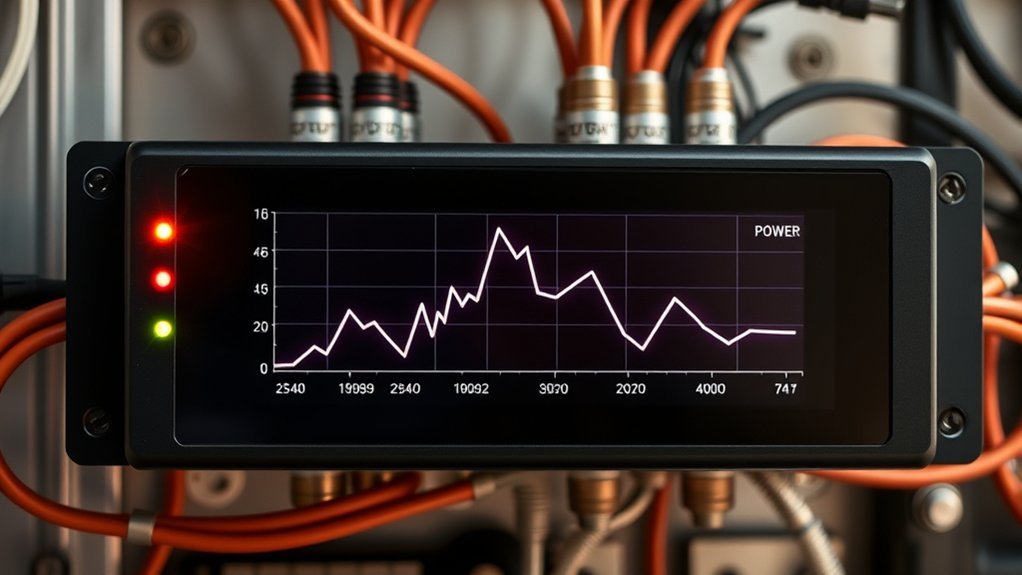
Surge power provides a temporary, high-intensity boost, while continuous power supplies a steady, reliable output. This distinction directly affects device performance, especially during startup or heavy loads. Understanding these differences is essential for matching inverter capabilities to specific application demands.
Temporary vs. Steady Power
While both surge power and continuous power are measured in watts, they serve fundamentally different roles in electrical systems. Surge power refers to the temporary peak the inverter can deliver to start high-inrush devices, like motors or compressors. Continuous power, however, indicates the steady wattage the inverter can sustain over time without risking damage or efficiency loss. This distinction impacts battery longevity, as sustained overloads or frequent surges can strain batteries and reduce their lifespan. Additionally, cost considerations come into play; inverters designed for higher surge capacity typically cost more due to advanced components, but may not be necessary for all applications. Understanding these differences helps optimize inverter selection, balancing performance needs against long-term investment and battery health.
Impact on Device Performance
The performance of electrical devices during startup and normal operation is directly influenced by the inverter’s power capabilities. Surge power is essential for overcoming initial inrush currents, especially in devices with complex motor or transformer loads, where battery chemistry plays a critical role in providing rapid energy delivery. Continuous power, on the other hand, sustains ongoing operation but must be aligned with the inverter’s efficiency to prevent voltage drops or overheating. Devices sensitive to power stability require consistent continuous output to avoid performance degradation. Mismatched surge or continuous ratings can lead to device malfunction, reduced lifespan, or inefficiency. Consequently, understanding the distinction and ensuring your inverter’s ratings match your device’s power demands are necessary for peak performance and longevity.
Why Is Surge Power Important for High-Starting-Current Devices?
High-starting-current devices, like motors, require surge power to manage initial startup spikes without performance issues. Adequate surge capacity guarantees these devices can overcome initial inertia safely and reliably. Without sufficient surge power, both equipment performance and longevity can be compromised.
Handling Motor Startup Spikes
Have you ever wondered why surge power capacity is critical when starting motors with high inrush currents? During motor startup, the initial power demand spikes markedly above the motor’s running load, requiring a power source capable of handling these transient peaks. Insufficient surge capacity can lead to voltage drops, causing unstable operation or even shutdowns. Maintaining power consistency during motor startup is essential to prevent excessive stress on the inverter and connected equipment. High-starting-current devices demand an inverter with adequate surge power to accommodate these brief but intense demands without compromising overall system stability. Proper handling of motor startup spikes ensures reliable operation, minimizes wear, and extends equipment lifespan, highlighting the importance of matching inverter surge ratings to the specific inrush requirements.
Protecting Sensitive Equipment
Why is surge power essential for protecting sensitive equipment during high-starting-current events? Surge power provides a vital buffer that prevents voltage dips and transient overloads, which can damage delicate circuitry. High-starting-current devices, such as motors or compressors, draw substantial power momentarily, risking inverter stress and increased wear. By delivering appropriate surge capacity, we guarantee stable voltage levels, reducing the risk of equipment malfunction. This stability directly influences inverter maintenance, minimizing thermal stress and prolonging component lifespan. Additionally, consistent surge handling helps preserve battery longevity, as batteries aren’t subjected to repeated, unnecessary strain. Ultimately, managing surge power effectively safeguards sensitive equipment, maintains system reliability, and optimizes overall inverter performance, especially during demanding start-up conditions.
How Do You Calculate and Read Inverter Power Ratings?
Understanding how to accurately calculate and interpret inverter power ratings is essential for selecting the right device for your application. To do this, we examine the continuous power rating, which indicates the inverter’s ability to handle constant loads, and the surge power, which reflects its capacity to manage short-term peaks. Battery compatibility plays a critical role, as the inverter’s rated wattage must align with the battery’s output, ensuring safe operation without overload. Additionally, inverter efficiency affects the overall performance, influencing how much power is lost during conversion. Reading these ratings requires understanding their units—typically watts or VA—and how they relate to your specific load demands. Proper calculation and interpretation guarantee peak performance, longevity, and safe operation of your inverter system.
Common Scenarios Where Surge and Continuous Power Matter
Inverter surge and continuous power ratings are critical in scenarios where equipment demands fluctuate considerably or require immediate high-startup energy. For example, starting motors or compressors involves a surge load that can stress the inverter’s capacity, affecting battery longevity and overall system efficiency. Environmental factors, such as temperature and humidity, influence inverter performance and thermal management, impacting both surge handling and continuous operation. When surges are underestimated, batteries may experience excessive strain, reducing their lifespan. Conversely, insufficient continuous power ratings can cause system shutdowns during prolonged high-load conditions. Properly matching inverter ratings to these scenarios guarantees reliable operation, preserves battery health, and accounts for environmental influences that might otherwise compromise the inverter’s capacity to sustain both surge and continuous loads effectively.
Tips for Choosing an Inverter Based on Surge and Continuous Needs
Selecting the right inverter requires careful assessment of both surge and continuous power needs to guarantee reliable operation. We recommend analyzing the maximum load surges your devices require, ensuring the inverter’s surge capacity exceeds these peaks. Simultaneously, evaluate the continuous power draw to match your baseline energy consumption. Battery compatibility is essential; verify that the inverter’s input voltage aligns with your battery bank and that it can handle the battery’s discharge rates. Inverter efficiency also plays a critical role; higher efficiency minimizes energy loss, maximizing runtime and reducing operational costs. By balancing these factors—surge capacity, continuous output, battery compatibility, and efficiency—you can select an inverter optimized for your specific application, ensuring stability and longevity in your power system.
Troubleshooting Inverter Overloads and Power Issues
When an inverter experiences overloads or power inconsistencies, it often indicates that the load exceeds its rated capacity or there are underlying wiring or connection issues. These problems can strain battery efficiency, causing faster depletion and reduced runtime, while also impacting inverter durability by increasing thermal stress. Diagnosing overloads requires verifying the total connected load against the inverter’s continuous and surge ratings. Loose or corroded connections can cause voltage drops, leading to power fluctuations. Monitoring the inverter’s temperature and ensuring proper ventilation can prevent overheating, which threatens both performance and longevity. Regularly inspecting wiring and load distribution helps maintain peak battery efficiency and prolongs inverter lifespan, ensuring consistent power output and minimizing unexpected failures.
Best Practices to Protect Your Devices and Inverter
To effectively safeguard your devices and inverter, implementing best practices is essential for minimizing risks associated with power fluctuations, surges, and overloads. Proper protection extends inverter lifespan, enhances battery longevity, and reduces inverter noise. Using surge protectors and voltage regulators helps prevent damaging spikes. Regular maintenance, such as checking connections and cooling systems, guarantees ideal performance. Avoid overloading the inverter beyond its rated capacity. Properly sizing your inverter and batteries minimizes stress and prolongs their lifespan. Also, installing noise filters can reduce inverter noise, improving operational stability. Consider the following table for critical protection strategies:
| Strategy | Benefit | Implementation |
|---|---|---|
| Surge protection | Prevents voltage spikes | Install surge protectors |
| Proper sizing | Extends battery and inverter life | Choose correct capacity |
| Noise filtering | Reduces operational noise | Use noise filters |
Frequently Asked Questions
How Do Inverter Surge Ratings Affect Overall Device Lifespan?
Inverter surge ratings directly impact device lifespan by influencing battery compatibility and power efficiency; exceeding surge limits stresses components, leading to faster degradation. Properly matched surge ratings optimize longevity and guarantee reliable performance over time.
Can Inverter Surge Power Cause Damage to Sensitive Electronics?
Studies show 60% of electronics failures relate to power surges, so inverter surge power can damage sensitive electronics. Proper surge protection devices guarantee electronics compatibility, shielding devices from harmful voltage spikes and preventing costly damage or data loss.
What Are the Signs of an Inverter Overload Due to Surge?
We notice inverter overload signs like system shutdowns or overheating, indicating surge capacity exceeded. Overload protection mechanisms activate, alerting us to potential damage, and ensuring the inverter’s safety by preventing sustained surge-related stress.
Are There Specific Inverter Brands Known for Better Surge Handling?
We find that reputable inverter brands like Victron and Outback excel in surge durability, thanks to their robust build quality and rigorous testing, making them reliable choices for handling peak surges and ensuring consistent performance under overload conditions.
How Does Temperature Influence Inverter Surge and Continuous Output?
Like a finely-tuned engine, inverters are sensitive to temperature effects, where higher temps increase stress, reduce surge capacity, and demand enhanced cooling requirements to maintain ideal continuous output and prevent overheating.
Conclusion
In understanding inverter surge versus continuous output, we see how critical matching power ratings to device demands truly is. It’s not just about numbers; it’s about ensuring efficiency, safety, and longevity. By aligning surge capacity with high-inrush needs and respecting continuous limits, we prevent overloads and damage. This balanced approach, driven by precise calculations and smart choices, ultimately safeguards our equipment and optimizes performance—highlighting the coincidence that proper power management is both an art and a science.