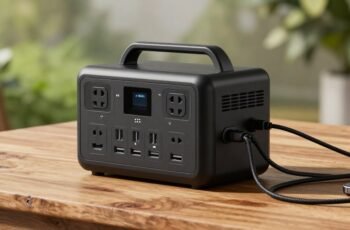
When selecting an inverter, understanding the fundamental waveform differences is essential. Pure sine wave inverters deliver smooth, utility-like power, ideal for sensitive electronics, whereas square wave inverters produce simpler, stepped waveforms at lower costs, but with potential drawbacks. The choice impacts device compatibility, efficiency, and long-term reliability. To make an informed decision, it’s vital to analyze how each waveform type influences performance and application suitability, prompting a closer look at their technical distinctions.
Key Takeaways
- Pure sine wave produces smooth, sinusoidal output, while square wave has abrupt, step-like voltage transitions.
- Pure sine wave offers higher power quality with minimal harmonic distortion; square wave generates more electrical noise.
- Sensitive electronics and motor drives perform better with pure sine wave; square wave is suitable for basic, low-cost devices.
- Pure sine wave inverters are typically more expensive but more efficient and protective for delicate components.
- Square wave inverters are cheaper and simpler but can cause increased heat, reduced motor lifespan, and device inefficiencies.
What Are Pure Sine Wave and Square Wave Inverters?
Pure sine wave and square wave inverters are two common types of power inverters used to convert DC (direct current) into AC (alternating current), each with distinct waveform characteristics. Waveform generation in pure sine wave inverters produces a smooth, sinusoidal output that closely resembles utility power, achieved through advanced inverter technology. In contrast, square wave inverters generate a simple, step-like waveform with abrupt voltage transitions. The inverter technology behind square wave units is simpler and more cost-effective, relying on basic switching mechanisms, whereas pure sine wave inverters utilize sophisticated pulse-width modulation (PWM) techniques for precise waveform control. Understanding these differences in waveform production is essential, as it directly influences the inverter’s ability to deliver clean, stable power suitable for sensitive electronic devices.
How Do These Waveforms Affect Power Quality?
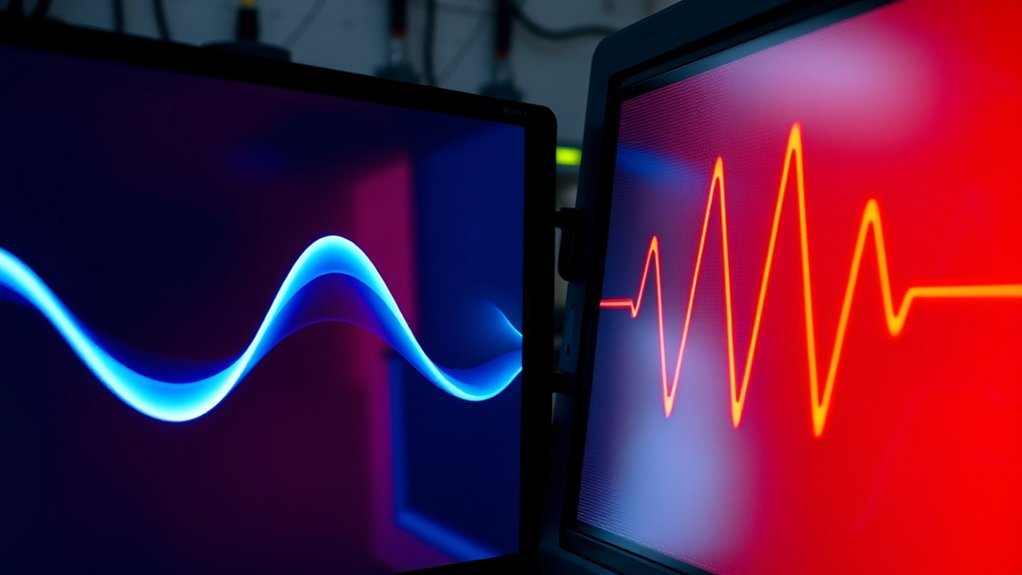
Because waveform shape directly influences the quality of supplied power, the differences between pure sine wave and square wave outputs substantially impact the performance and safety of connected devices. Pure sine waves provide superior power quality, ensuring consistent waveform stability, which minimizes electrical noise and harmonic distortion. This stability reduces the risk of overheating, component stress, and malfunction in sensitive equipment. Conversely, square wave inverters produce less stable waveforms with abrupt transitions, leading to increased electrical noise and harmonic distortion. These irregularities can degrade power quality, cause electromagnetic interference, and impair device longevity. As a result, devices requiring stable, clean power perform more reliably with pure sine wave outputs. Overall, waveform stability directly correlates with better power quality, making pure sine waves preferable for maintaining ideal device operation and safety.
Which Devices Are Compatible With Square Wave Inverters?
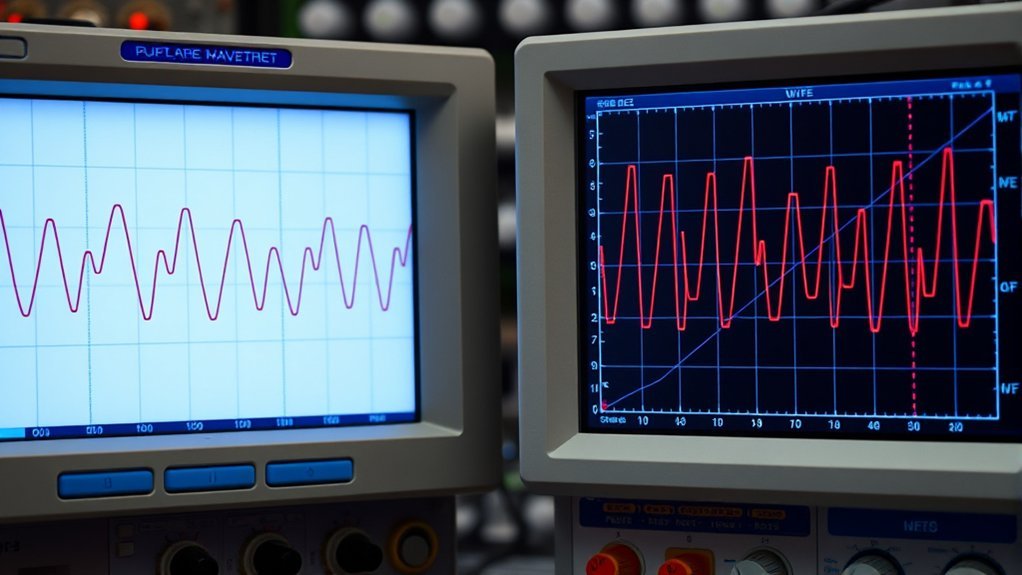
While square wave inverters are generally less suitable for sensitive electronics, certain devices can still operate effectively when powered by them. Devices with simple power requirements and robust motor components tend to be compatible, especially those with less sensitive circuitry. Battery compatibility is vital; lead-acid batteries with stable output can support these inverters effectively, but fluctuating power demands may require additional filtering. Proper inverter installation also plays a role—adequate grounding and appropriate wiring minimize potential issues. Devices such as incandescent lighting, certain power tools, and basic appliances typically perform well with square wave inverters. However, for peak operation and longevity, verifying the device’s specifications and ensuring proper inverter setup is necessary. This guarantees compatibility and minimizes potential damage or inefficiency.
Why Choose a Pure Sine Wave Inverter for Sensitive Electronics?
Choosing a pure sine wave inverter is essential for protecting sensitive electronics, as it minimizes voltage fluctuations that can damage components. It provides a stable power output, reducing the risk of device malfunction or data loss. Additionally, it markedly lowers electrical noise, ensuring ideal performance and longevity of delicate equipment.
Protects Sensitive Components
Sensitive electronic components are highly susceptible to voltage irregularities, which can cause malfunctions or permanent damage. Pure sine wave inverters offer superior voltage regulation, maintaining consistent output voltage levels essential for delicate electronics. They also minimize harmonic distortion, reducing electrical noise that can disrupt device operation or accelerate component wear.
Key protective benefits include:
- Precise voltage regulation prevents voltage spikes or dips that harm sensitive parts.
- Reduced harmonic distortion ensures cleaner power, decreasing electromagnetic interference.
- Stable waveform prevents overheating and stress on microprocessors and integrated circuits.
- Extended component lifespan by minimizing electrical stress and maintaining ideal operating conditions.
Choosing a pure sine wave inverter is a critical step in safeguarding sensitive electronics against irregular power fluctuations and ensuring reliable operation.
Ensures Stable Power Output
Pure sine wave inverters deliver a consistent and reliable power output that closely resembles utility-supplied electricity. This waveform stability guarantees minimal distortion, providing seamless power delivery for sensitive electronics. Unlike square wave inverters, pure sine wave models maintain high power consistency, reducing fluctuations that can cause malfunctions or damage. Precise waveform replication ensures electronic components operate within their specified parameters, preventing overheating and prolonging device lifespan. The stability inherent in pure sine wave inverters is essential when powering devices like medical equipment, audio systems, or advanced communication tools, where even minor power irregularities can compromise performance. Overall, their ability to deliver stable, consistent power makes them the preferred choice for sensitive electronics requiring high waveform stability.
Reduces Electrical Noise
Electrical noise, or interference, can considerably disrupt the performance of sensitive electronic devices, leading to data errors, audio distortions, or equipment malfunction. Pure sine wave inverters greatly reduce electrical noise by minimizing harmonic distortion and waveform distortion. This guarantees cleaner power delivery, vital for delicate electronics.
- They produce a smooth, sinusoidal waveform that closely matches utility power, reducing harmonic distortion.
- The minimized waveform distortion prevents interference with signal processing in sensitive equipment.
- Reduced electrical noise lowers the risk of data corruption in digital devices.
- Overall, pure sine wave inverters maintain the integrity of power quality, guaranteeing consistent operation for sensitive electronics. This precision makes them ideal for applications where electrical noise must be minimized.
How Do Cost and Efficiency Compare Between the Two Types?
Although pure sine wave inverters tend to have higher initial costs, their superior efficiency often justifies the investment over time. A detailed cost analysis reveals that, despite higher upfront expenses, pure sine wave units deliver less energy loss and reduced maintenance costs, making them more economical in the long term. In contrast, square wave inverters are generally cheaper initially but exhibit lower efficiency, leading to increased energy waste and potential equipment stress. The efficiency comparison demonstrates that pure sine inverters operate closer to ideal power delivery, minimizing heat generation and electrical noise. Consequently, when evaluating total operational costs, pure sine wave inverters often prove more cost-effective, especially in applications demanding stable, high-quality power.
What Are Common Applications for Square Wave Inverters?
Square wave inverters are commonly used in industrial power supplies due to their simplicity and cost-effectiveness. They are also employed in motor drive applications where precise waveform quality is less critical. Understanding their specific use cases helps determine when their advantages outweigh their limitations.
Industrial Power Supplies
Despite their limitations, square wave inverters remain relevant in certain industrial power supplies where cost-effectiveness and simplicity are essential. They are often used in applications involving basic power conversion tasks that do not require high wave quality. Specifically, in renewable energy systems, square wave inverters can be suitable for low-cost, small-scale setups. Common applications include:
- Emergency backup power for non-sensitive equipment.
- Lighting systems that operate on simple electrical loads.
- Industrial control systems with compatible, low-frequency devices.
- Battery charging setups where waveform distortion minimally impacts performance.
While less efficient for sensitive electronics, their straightforward design supports basic power conversion needs, making them a practical choice in cost-sensitive industrial environments.
Motor Drive Applications
In motor drive applications, the characteristics of the power inverter directly influence performance, efficiency, and system longevity. Square wave inverters are typically suitable for simple, low-cost motor controls where precise operation isn’t critical. They can impact battery lifespan and inverter sizing, often requiring larger units to compensate for inefficiencies and potential motor stress. Proper inverter sizing guarantees minimal harmonic distortion, reducing heat and wear.
| Application Type | Characteristics |
|---|---|
| Small Pumps | Low precision, cost-effective |
| Fans | Moderate load, basic control |
| Compressors | Higher current demands, efficiency trade-offs |
| HVAC Fans | Limited precision, energy considerations |
| Small Elevators | Variable loads, system stability |
How to Decide Which Waveform Is Right for Your Needs?
Choosing the appropriate waveform depends on a thorough understanding of your application’s specific electrical and operational requirements. To determine the best fit, consider these factors:
- Waveform accuracy: Pure sine waves offer superior waveform accuracy, reducing harmonic distortion and ensuring compatibility with sensitive electronic components.
- Energy efficiency: Square waves typically consume less energy in simple applications but can cause increased heat and energy loss in devices requiring smooth power delivery.
- Device compatibility: Devices with motor drives or sensitive electronics often demand pure sine waves for proper function and longevity.
- Cost and complexity: Square wave inverters are generally less expensive and simpler but may compromise performance, making pure sine waves preferable for critical applications.
Prioritize waveform accuracy and energy efficiency aligned with your device’s needs to optimize performance and longevity.
What Should You Know About Maintenance and Longevity?
Maintaining the longevity of your power inverters hinges on understanding their operational demands and implementing proper care routines. Key factors include monitoring battery lifespan, as degraded batteries reduce overall efficiency and may cause system failure. Regularly inspecting and replacing batteries before significant deterioration guarantees peak performance. Additionally, cooling requirements are critical; inadequate cooling accelerates component wear and risks thermal shutdowns. Ensuring proper ventilation or active cooling systems maintains consistent operating temperatures, extending inverter life. Routine cleaning of vents and heat sinks prevents dust accumulation that impairs heat dissipation. By adhering to these maintenance practices—tracking battery health and maintaining effective cooling—you can maximize inverter longevity, guaranteeing reliable, efficient power delivery over time.
Frequently Asked Questions
Can a Device Designed for Pure Sine Wave Operate on a Square Wave Inverter?
A device designed for pure sine wave may operate on a square wave inverter, but device compatibility is compromised due to waveform distortion, potentially causing malfunction or damage. Precise analysis suggests careful testing before use is essential.
Do Pure Sine Wave Inverters Produce Less Electromagnetic Interference?
Pure sine wave inverters produce markedly less electromagnetic noise, making interference mitigation easier and more effective. This reduction in electromagnetic interference enhances device performance and longevity, proving that pure sine waves are the superior choice for sensitive electronics.
Are There Safety Considerations When Using Square Wave Inverters?
Square wave inverters pose safety considerations due to lower power quality, risking equipment damage or malfunction. They are typically more cost-effective but require careful assessment of load compatibility to prevent electrical hazards and guarantee reliable operation.
How Does Waveform Type Influence Inverter Size and Weight?
Waveform type directly impacts inverter size and weight because pure sine wave inverters, offering better waveform compatibility, tend to be larger and heavier due to complex circuitry, whereas square wave inverters are more compact but less efficient in inverter efficiency.
Can Hybrid Inverters Combine Features of Both Waveforms?
Absolutely, hybrid inverters can combine waveform features, optimizing waveform compatibility and device performance. This innovative approach guarantees precise power delivery, maximizing efficiency and compatibility across diverse devices, making your energy system both versatile and powerhouse reliable.
Conclusion
In choosing between pure sine wave and square wave inverters, we analyze power quality, device compatibility, cost, and application needs. We weigh the benefits of smooth, reliable output against the simplicity and affordability of basic waveforms. We consider the long-term impact on sensitive electronics, efficiency, and maintenance. Ultimately, selecting the right inverter involves balancing performance with budget, ensuring ideal operation, durability, and safety for your specific use case.