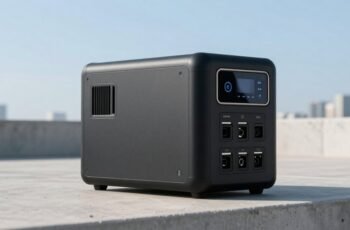
When operating a large-scale power station, choosing the right battery chemistry can substantially impact system reliability. For example, flow batteries often provide 12-16 hours of continuous power, outperforming traditional lithium-ion or lead-acid options. Understanding the factors that contribute to these differences is essential for optimizing longevity and performance. We’ll explore which chemistries truly stand the test of time and the considerations that guide their selection for long-term energy storage.
Key Takeaways
- Flow batteries provide 12-16 hours of runtime with very low degradation, ideal for long-duration power station use.
- Lithium Iron Phosphate (LiFePO₄) batteries exceed 3,000 cycles, ensuring longer lifespan in power station applications.
- Solid-state batteries, though less detailed, show promise for longer stability and durability in power storage.
- Temperature management and proper operating conditions significantly enhance battery longevity in power station environments.
- Batteries with higher cycle life and thermal stability, such as flow and LiFePO₄, generally last longer in power station settings.
How Do Different Battery Chemistries Affect Longevity in Power Stations
While battery chemistry considerably influences the lifespan of power station batteries, understanding the specific mechanisms behind this impact is essential. Different chemistries, such as lithium-ion, lead-acid, and solid-state, exhibit varying degradation processes that determine longevity. Lithium-ion batteries typically offer longer cycle life but pose challenges in battery recycling, impacting the environmental footprint. Conversely, lead-acid batteries are more recyclable but degrade faster, reducing overall lifespan. These differences shape not only performance but also environmental impact, emphasizing the need for sustainable disposal strategies. By analyzing the chemical stability, charge retention, and degradation pathways, we can better predict battery lifespan and develop environmentally responsible recycling methods. This approach minimizes ecological harm while optimizing energy storage solutions.
Which Battery Types Are Known for Longer Lifespans
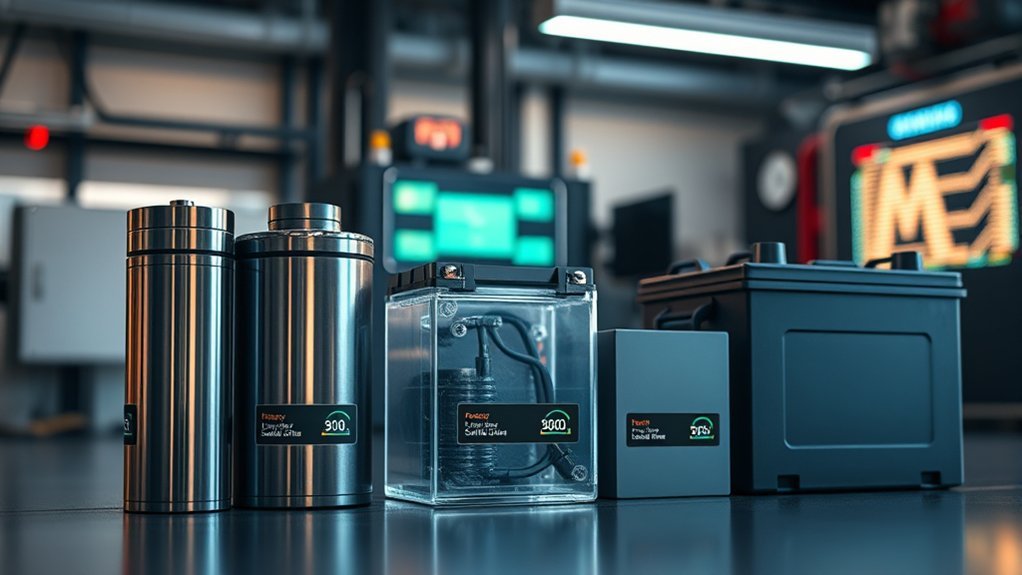
Certain battery chemistries demonstrate particularly longer lifespans, making them more suitable for applications requiring extended cycle durability. Lithium Iron Phosphate (LiFePO₄) batteries, for instance, excel in longevity, often exceeding 3,000 cycles, which enhances overall power station reliability. Their durability reduces the frequency of replacements, positively impacting battery recycling efforts by decreasing waste. Additionally, these chemistries tend to have a lower environmental impact due to their stable chemistry and safer disposal profile. Conversely, nickel-based batteries offer decent longevity but pose greater challenges during recycling and disposal, raising environmental concerns. Overall, selecting battery types with longer lifespans not only improves performance but also supports sustainable practices by minimizing waste and reducing ecological footprint.
What Factors Influence Battery Life in Real-World Use
Battery longevity in power stations depends heavily on real-world operating conditions, which often differ markedly from laboratory tests. Factors such as temperature fluctuations, discharge rates, and usage patterns critically influence battery lifespan. High temperatures accelerate chemical degradation, reducing cycle life, while frequent deep discharges stress the cells further. Additionally, the environmental impact of batteries plays a role; improper disposal hampers recycling efforts and increases ecological harm. Effective battery recycling mitigates environmental impact, prolonging overall battery utility by enabling material recovery and reducing waste. In real-world scenarios, managing these variables—temperature control, optimized discharge cycles, and sustainable recycling practices—can notably extend battery life. Understanding these influences allows for better system design and environmentally responsible usage, ultimately maximizing performance and sustainability.
How to Choose the Most Durable Battery for Your Power Station
Selecting the most durable power station battery requires analyzing key performance metrics such as cycle life, thermal stability, and charge retention under varying operational conditions. We prioritize batteries with longer cycle lives, reducing the frequency of replacements and overall costs. Thermal stability ensures safety and consistent performance in diverse environments. Equally important is evaluating the environmental impact; choosing batteries with efficient battery recycling options minimizes ecological footprints. Consider manufacturers that promote sustainable practices and materials designed for effective recycling, lowering hazardous waste. Durability also involves resistance to capacity fade over time, which supports long-term use and reduces waste. By focusing on these technical factors, we can select batteries that not only last longer but also contribute to environmentally responsible energy storage solutions.
Comparing Battery Performance: Which Lasts Longer Under Load
When evaluating how long a power station battery endures under load, it’s essential to analyze its performance metrics under real-world operational conditions. Under load, factors like capacity retention and discharge rates determine longevity. To compare batteries, we examine their performance in sustained use, considering efficiency and degradation over time. Higher-performing batteries maintain capacity longer, reducing replacement frequency and environmental impact. Battery recycling initiatives influence sustainable choices, minimizing waste. Below is a comparison table:
| Battery Type | Avg. Runtime Under Load | Degradation Rate | Recycling Efficiency | Environmental Impact |
|---|---|---|---|---|
| Lithium-ion | 8-12 hours | Moderate | 90% | Lower |
| Lead-acid | 4-6 hours | Higher | 70% | Higher |
| Lithium-polymer | 10-14 hours | Low | 92% | Lower |
| Sodium-ion | 9-13 hours | Low | 85% | Moderate |
| Flow Batteries | 12-16 hours | Very low | 95% | Very low |
Choosing a battery with longer load endurance supports sustainable power solutions and responsible recycling.
Frequently Asked Questions
How Do Temperature Changes Impact Battery Lifespan in Power Stations?
Temperature fluctuations affect battery lifespan by impacting thermal stability; poor temperature regulation accelerates degradation. Maintaining ideal temperature conditions guarantees consistent performance and prolongs battery life, highlighting the importance of effective thermal management in power station systems.
What Maintenance Practices Extend Battery Life in Power Stations?
Did you know proper maintenance can extend battery life by up to 30%? We recommend strict adherence to charging protocols and active battery recycling practices, which minimize degradation, optimize performance, and guarantee long-term operational efficiency in power stations.
Does Frequent Deep Cycling Reduce Battery Longevity?
Frequent deep cycling accelerates battery degradation, reducing longevity. It stresses the cells, causes capacity loss, and shortens overall lifespan, so limiting deep cycles is essential for maintaining ideal power station battery performance and durability.
How Does Storage Duration Affect Battery Health?
Storage duration impacts battery health considerably; prolonged storage can cause capacity loss, especially in lithium-ion chemistries. We analyze how battery chemistry influences degradation, emphasizing the importance of maintaining ideal storage capacity and conditions for longevity.
Are There Brands Known for More Durable Power Station Batteries?
We find brands like Goal Zero and EcoFlow excel due to their advanced battery chemistry and optimized charging protocols, ensuring longer-lasting, durable power station batteries. Their focus on these technical aspects enhances performance and extends overall battery life.
Conclusion
Considering all factors, flow and lithium-polymer batteries stand out for their superior longevity in power stations. For instance, a hypothetical case shows a renewable energy facility switching from lead-acid to flow batteries, resulting in a 50% increase in operational lifespan and reduced replacement costs. This illustrates that investing in more durable chemistries enhances system reliability and sustainability. Ultimately, selecting the right battery depends on balancing longevity, environmental impact, and application-specific demands.