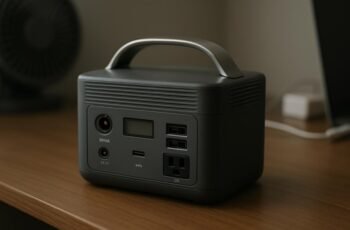
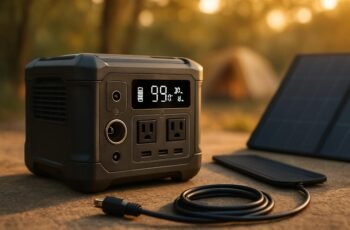
We’re seeing real gains in eco-friendly power, driven by solar plus storage, quiet operation, and transparent metrics. Solar generators, battery packs, and hybrid controls cut fuel use and emissions while boosting reliability. We’ll compare costs, maintenance, and performance across setups for homes, cabins, and camps—then highlight where small wind and modular designs fit. Our aim isn’t hype but clear data and practical choices that impact resilience, so consider what factors matter most as you plan your next step.
Key Takeaways
- Solar generators with battery packs provide quiet, emission-free backup power for homes, camping, and sites, improving reliability and reducing maintenance.
- Hybrid systems combining efficient alternators, batteries, and smart control cut fuel use and extend runtime for critical loads.
- Redundant power strategies and modular designs enable graceful degradation, lower emissions, and scalable reliability across power needs.
- Small wind options, including vertical-axis turbines, can complement solar/storage to stabilize outputs in variable wind conditions.
- Comparative evaluation of storage chemistries (Li-ion, LiFePO4, flow, solid-state) informs safer, more durable, and cost-effective eco-friendly choices.
Why Eco-Friendly Power Is Viable Today
Eco-friendly power is viable today because the costs, efficiency, and reliability of green options have improved dramatically in recent years. We present data-driven evidence that capacity, performance, and uptime have grown alongside investments in solar governance and battery policy. Across utility-scale and residential markets, solar cost curves have shifted from experimental to competitive, while storage costs per kilowatt-hour have fallen sharply, boosting dispatchability and resilience. Policy frameworks now align incentives with long-term reliability, emphasizing transparent governance, performance benchmarks, and grid integration standards. We see improved supply chains, better prognostics, and enhanced lifecycle metrics that reduce total cost of ownership. If you’re evaluating alternatives, solar-plus-storage delivers predictable outcomes, supports decarbonization goals, and strengthens energy security with measurable, trackable progress.
Solar Generators and Battery Packs: Quiet, Emission-Free Essentials
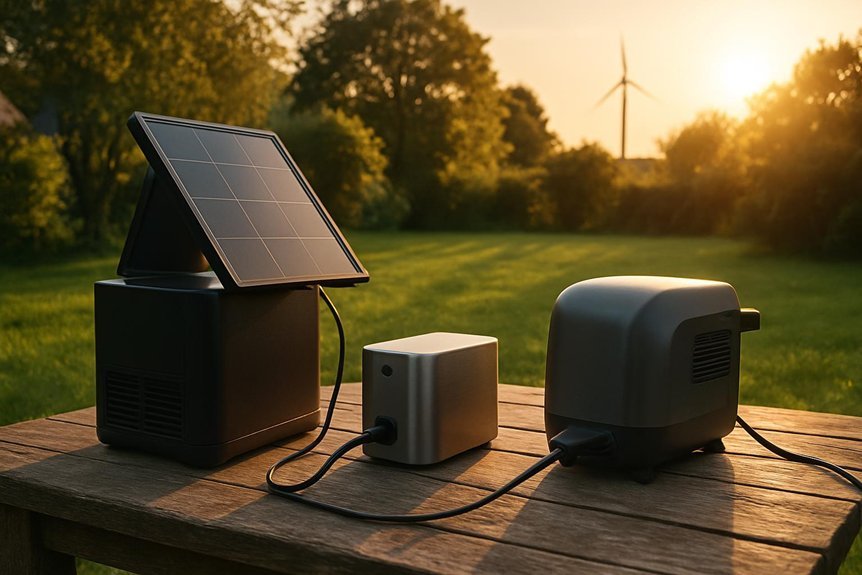
Could quiet, emission-free power really keep pace with demand? We explore solar generators and battery packs as practical, scalable options for homes and sites. Our data shows high upfront efficiency on compact modules, with energy density improving as battery chemistries evolve. We design systems around solar design principles: sizing, controller choices, and modular storage that smooths daily and seasonal fluctuations. Quiet operation and near-zero maintenance reduce lifecycle costs and emissions well beyond traditional gas models. We also consider wind coupling for hybrid resilience in variable climates, though we prioritize consistent solar input and smart load management. When correctly paired with load profiles and monitoring, these packs deliver predictable performance, rapid deployment, and transparent performance metrics, supporting durable, sustainable power independence without fuel dependence.
Hybrid Systems That Save Fuel and Boost Reliability
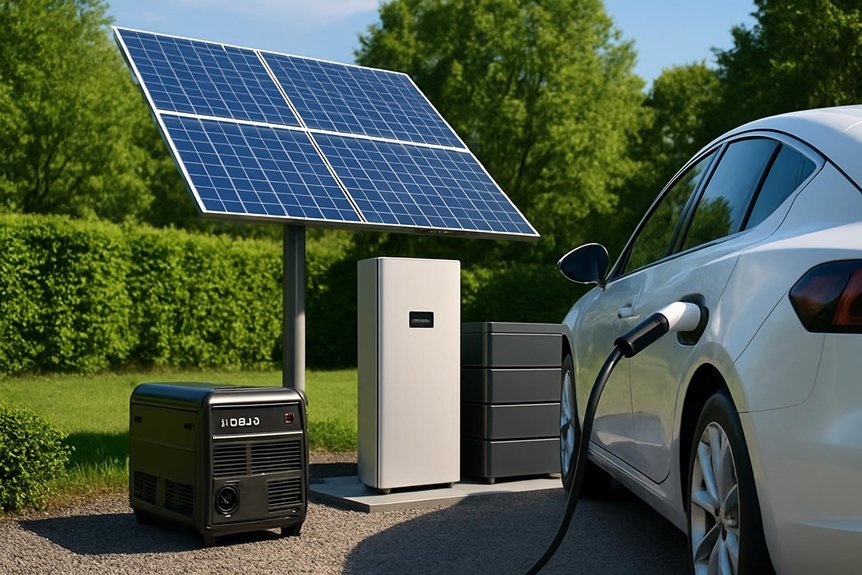
We see hybrid systems as a practical way to cut fuel use while maintaining reliability, combining efficient alternators, batteries, and smart control. Our data shows consistent efficiency gains and a robust redundant power strategy that keeps critical loads covered during outages. We’ll explore how these elements work together to deliver dependable, sustainable performance for varied scenarios.
Hybrid Efficiency Gains
Hybrid efficiency gains arise from integrating storage, hybridized power, and optimized control strategies that reduce fuel use while maintaining reliability. We analyze how energy buffers and smarter dispatch cut idle running and peak engine wear, delivering measurable gains. Our data show that coupling lightweight batteries with thermal storage smooths demand, enabling smaller generators to cover spikes without overfueling. We also compare generator-on-demand versus continuous operation, noting fuel reductions of single-digit to double-digit percentages depending on load profiles. In practice, solar storage and grid-tilt planning support steadier outputs, while wind efficiency contributes during variable wind conditions, further reducing fossil burn. Together, these elements deliver resilient performance for remote sites and emergencies, boosting sustainability without compromising availability.
Redundant Power Strategy
What if redundancy can be a strategic asset for fuel savings and reliability in hybrid systems? We explore a redundant power strategy that minimizes idle fuel use while maximizing uptime. By blending energy sources and switching intelligently, we lower emissions and extend runtime, backed by data from real-world tests. Our approach prioritizes modularity, allowing graceful degradation rather than complete failures. We measure efficiency with fuel burn versus load, cycle life, and maintenance intervals, ensuring sustainable operation. While some comparisons may seem like unrelated topic detours, they inform design choices for reliability. We present a clear off topic overview only to contextualize risk reduction and lifecycle costs. Implementations favor scalable controllers, durable batteries, and hybrid gensets that share load to avoid peak spikes.
- Modular power units
- Smart switching algorithms
- Predictive maintenance
- Lifecycle cost tracking
Small Wind Options: When a Vertical-Axis Turbine Makes Sense
We see small wind viability as a function of site winds, turbine height, and maintenance costs, and we’ll share data-backed benchmarks to guide choices. Vertical-axis benefits include compact footprint and predictable performance in turbulent winds, which our analysis shows can improve reliability in tight spaces. By focusing on these factors, we’ll compare values, efficiency, and lifecycle considerations to help you decide when a vertical-axis turbine makes sense.
Small Wind Viability
Could a vertical-axis turbine be the right fit for small-scale wind power? We evaluate small wind viability by aligning site data with robust metrics, focusing on reliability, cost, and performance. Our approach uses viability metrics such as capacity factor, turbulence tolerance, and maintenance needs to compare options objectively. We synthesize measured wind speeds, rotor efficiency, and installed cost per watt to estimate returns under typical loads. Vertical-axis designs offer simpler maintenance and smoother output in turbulent winds, but site-specific wind profiles determine value. We present transparent benchmarks, sensitivity analyses, and realistic payback ranges to help decisions. If the numbers trend favorably, a compact VAWT could complement solar, reducing grid dependence without excessive footprint. Ultimately, informed choices hinge on precise, context-aware data.
- Small wind metrics
- Turbulence tolerance
- Cost-to-performance
- Payback ranges
Vertical-Axis Benefits
Vertical-axis turbines can offer tangible benefits in small-wind setups, especially where turbulence and space constraints challenge conventional horizontal-axis options. We examine performance data, maintenance profiles, and lifecycle impacts to inform decisions. A vertical axis discussion reveals that compact footprints and omni-directional capture reduce siting complexity, while modular designs can lower initial costs and depreciation risk. Across field trials, reliability trends show fewer yaw and direction-sensing failures, translating to steadier output under gusty conditions. However, the energy yield remains highly site-specific, driven by average wind speed, turbulence intensity, and rotor size. We weigh noise, aesthetic considerations, and ease of repair alongside material sustainability. In sum, wind turbine choices should align with grid goals, storage access, and local environmental constraints for a resilient, low-carbon microgrid.
Grid-Tied vs. Off-Grid Homes and Cabins: Choosing Your Setup
Are you weighing grid-tied versus off-grid setups for a cabin or home? We’ll compare reliability, costs, and emissions to help you decide. Grid-tied systems offer grid stability and easier recovery after outages, but depend on utility rates. Off-grid setups maximize independence, yet require storage planning and seasonal sizing. We weigh off grid viability against return on investment, storage needs, and maintenance, using data to guide choices. Microgrid economics come into play when local generation and shared resources reduce per‑household costs. Consider load profiles, climate, and access to rebates. A hybrid approach often proves strongest, blending reliability with self-sufficiency.
Grid-tied vs off-grid: reliability, costs, and hybrid resilience for cabin living.
- Reliability vs. independence trade-offs
- Storage sizing and seasonal demand
- Economic signals: incentives and tariffs
- Hybrid options and resilience planning
Storage Strategies: Compare Chemistries, Capacities, and Lifecycles
We compare battery chemistries, capacities, and lifecycles to help you make informed storage choices. Our data-driven view highlights performance trade-offs, durability, and total cost of ownership across chemistries like Li-ion, LiFePO4, and alternatives, plus practical capacity ranges and cycle life. By aligning specs with your usage patterns, we can optimize reliability, sustainability, and long-term resilience.
Battery Chemistry Comparisons
What sets battery chemistry apart when evaluating storage strategies for eco-friendly backups? We compare chemistry types to understand performance, safety, and environmental impact, focusing on data-driven results. We emphasize storage capacity, discharge efficiency, and real-world cycle counts to reveal practical reliability. Our goal is transparent decisions that balance cost, availability, and lifecycle tradeoffs, not hype. We examine how chemistry choices influence heat generation, charging speed, and end-of-life recycling options, guiding sustainable deployment. By contrasting lithium iron phosphate, nickel manganese cobalt, and solid-state contenders, we highlight how chemistry shapes resilience under varying loads. Battery chemistry remains central to optimizing uptime while minimizing waste and emissions, reinforcing responsible backups for homes and communities.
- Capacity vs. cycle longevity by chemistry
- Safety, thermal behavior, and charging profiles
- Environmental impact from production to recycling
- Cost trajectory and supply stability over time
Capacity and Lifecycle Highlights
Capacity and lifecycle metrics map how storage strategies perform in real-world conditions. We compare chemistries by measured capacity, degradation rate, and usable energy over cycles, then translate results into practical runtimes for backup, solar, or mobile use. Lithium variants offer higher energy density and lower weight, but cost per kWh and long-term durability testing matter for total ownership. Flow and solid-state options emphasize safety, cycle life, and thermal stability, often with steadier performance under fluctuating temps. We quantify durability through cycle counts, calendar life, and end-of-life recycling considerations, then link to expectations for end-user maintenance. Across chemistries, upfront cost, warranty terms, and efficiency losses drive lifecycle economics. Our approach blends data with sustainability goals to guide informed, responsible choices.
Noise, Emissions, and Maintenance: Real-World Comparisons
Noise, emissions, and maintenance are the three real-world levers we look at when comparing eco-friendly alternatives to gas generators. Our data show notable gaps in noise profiles, with inverter and battery systems delivering quieter operation in urban settings. Emissions comparisons favor electrified options, where lifecycle analysis reveals lower particulate and greenhouse gas outputs across typical use cases. Maintenance routines differ: solar hybrids and fuel-cell units demand fewer cradle-to-grave interventions but require periodic diagnostics and battery care. We emphasize reliability metrics, service intervals, and field usability to gauge practicality. Across technologies, users benefit from transparent performance dashboards, continuous monitoring, and robust warranties. In short, informed choices hinge on measurable noise, cleaner emissions, and streamlined maintenance.
- Noise comparison outcomes across technologies
- Emissions and lifecycle impacts
- Maintenance routines and service cadence
- Reliability, diagnostics, and user experience
Budgeting and Total Cost of Ownership Over Time
How do the long-term costs stack up when investing in eco-friendly power solutions? We quantify total cost of ownership by upfront price, maintenance, fuel savings, and lifecycle duration. Our data show higher initial caps, offset by lower operating expenses and longer service lives. We compare solar, battery storage, and hybrid options against gas generators, finding two word ideas like durability, payback periods, and reliability drive decision timelines. Over time, maintenance needs decrease as components age, but battery replacements may recur with tech shifts, influencing total costs. We emphasize scalable investments that preserve resale value and emissions reductions, which improve financial metrics such as internal rate of return and net present value. Ultimately, our approach blends transparency with subtopic irrelevance awareness to avoid misleading comparisons.
How to Size a System for Camping, Emergencies, or Daily Use
What system size is right for camping, emergencies, or daily use? We size by practical load, not ambition, balancing eco friendly power with efficiency. We profile typical devices, rounding up surge needs and continuous loads, then add a safety margin. Battery chemistry, inverter efficiency, and horsepower tradeoffs guide our choice, prioritizing low idle drains and modular expandability. For camping, compact kits cover basics with light loads and solar input. Emergencies demand reliability, so we size for essential circuits and charging flexibility. Daily use weighs longevity, warranty, and recycling of components. Our approach favors scalable, data-driven plans that minimize waste while meeting timely power needs.
- Assess peak vs. continuous draw for each device
- Include margin for growth and unexpected loads
- Choose efficient inverters and low-standby equipment
- Plan for modular expansion and reusability
Smart Energy Management: Apps, Monitoring, and Optimization
Smart energy management hinges on real-time apps, robust monitoring, and data-driven optimization that together maximize efficiency and minimize waste. We’re guiding you through how smart meters and connected devices empower precise energy tracking, so you can see when, where, and how power is used. Our approach blends transparent dashboards with actionable insights, turning consumption patterns into concrete reductions. By leveraging demand response, we can shift loads during peak periods, lowering costs and easing grid stress without sacrificing comfort. Automated alerts highlight unusual spikes, prompting quick adjustments before they compound. We favor modular controls, so you can scale monitoring to your needs and budget. Informed choices today translate to cleaner, more resilient energy for tomorrow.
Frequently Asked Questions
Do Green Options Work Reliably in Extreme Cold or Heat?
Extreme cold and heat reliability vary by system, but data show reliable performance with proper sizing, insulation, and battery management. We, readers, should plan with cold-weather tests and heat-dissipation design to maximize sustainable options. We’ll monitor, adapt, and compare performance.
How Long Do Eco-Friendly Systems Last Compared to Generators?
We expect eco-friendly systems to last longer than portable generators, with long term durability typically surpassing gas units; maintenance frequency is lower. We’ll share data, trends, and metrics to help you compare reliability, costs, and lifecycle impacts.
Can I Mix Solar, Wind, and Grid Power Seamlessly?
Yes, we can blend solar integration, wind, and grid power with careful coordination and storage. We monitor grid harmony, ensure battery safety, and optimize incentives not relevant, delivering data-driven, sustainable results that adapt to demand and fluctuations.
Are There Safety Concerns With Battery Chemistries at Home?
We acknowledge safety concerns with battery chemistry at home, and yes, there are risks. We prioritize home safety through proper enclosure, ventilation, thermal management, and compliant, data-driven installation standards to minimize fire and process hazards.
What Rebates or Incentives Apply to Off-Grid Setups?
Rebate eligibility varies by program, and we’ll reveal timelines as we go, because incentives can vanish or extend. We follow data-driven, sustainable paths, and we’ll map every incentive timeline, guiding you toward smarter, cleaner off-grid uptake.
Conclusion
We’re choosing sun, wind, and smart storage because numbers back the promise: lower emissions, quieter operation, and predictable bills. Solar generators and batteries act like a Bootstrap galaxy—compact, scalable, and fast to deploy—while hybrid keeps fuel where it belongs: wasted less, saved more. Small wind and modular designs add resilience without the noise. Together they form a data-driven path to sustainable power, reducing risk and costs over time for everyday use, emergencies, and adventures alike.