Jackery Explorer 300: Quick Overview and Buying Context
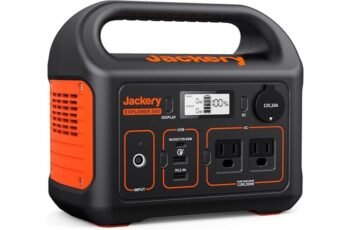
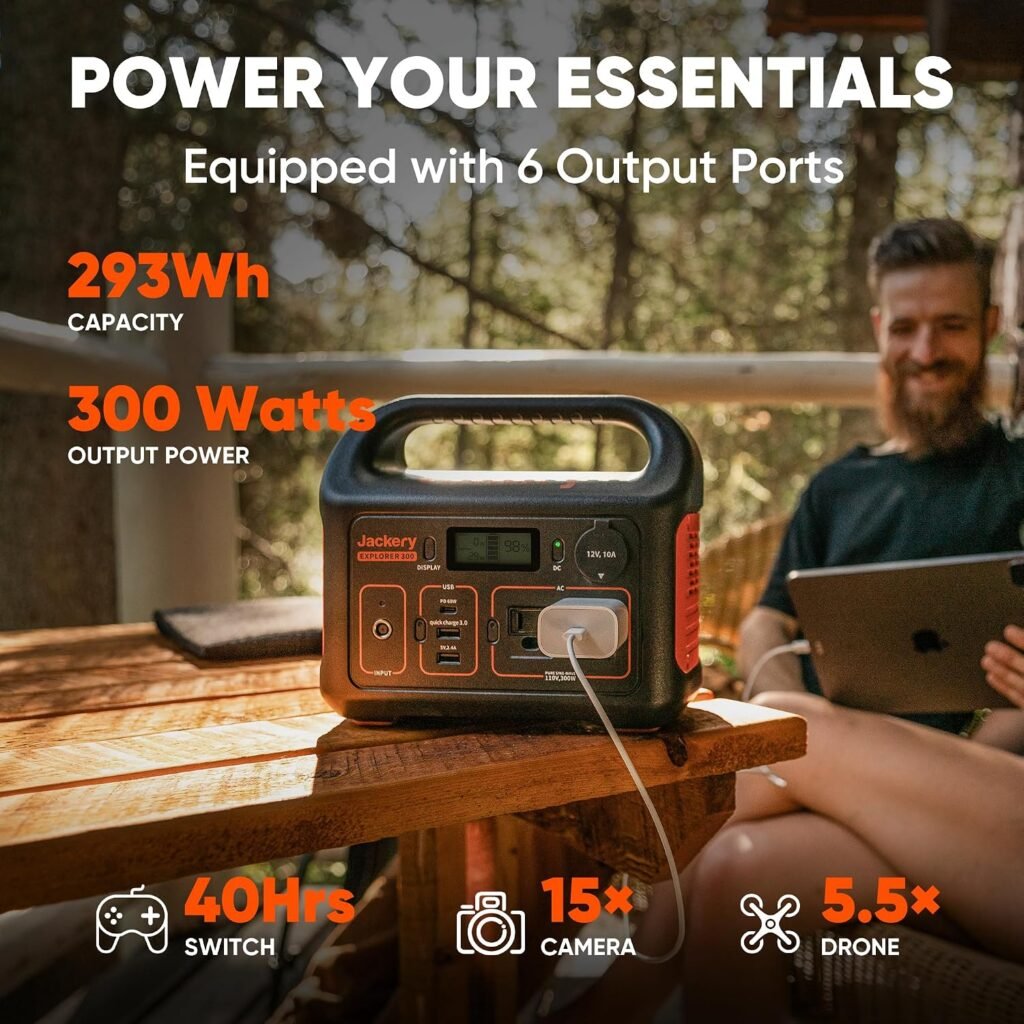
A compact power station can be far more useful than a heavy generator when the job is charging phones at camp, keeping a laptop running during a short outage, or supporting cameras and radios at a hunting site. The Jackery Explorer 300 is built for that middle ground: it offers 292Wh of stored energy, 300W of continuous output, and up to 600W of peak surge power in a carry-friendly package. At the listed price of $259, it is worth considering for portable, moderate-demand power, but shoppers should remember that the solar panel is optional and not included.
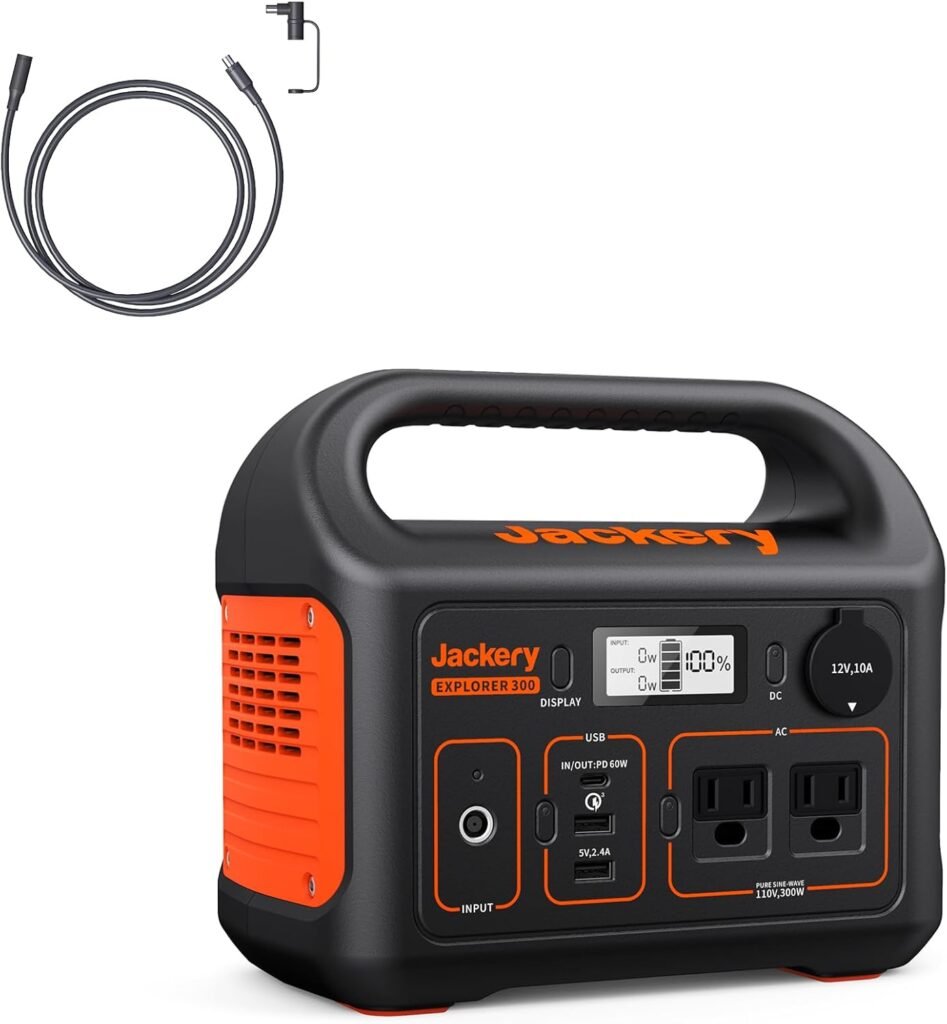
In the box, we get the power station, an AC adapter, a car charger cable, a 16.4 ft extension cable, and a user guide. That cable is a useful inclusion for solar setups because it allows the battery unit to stay in a protected or shaded position while a compatible panel sits in sunlight. The Jackery Explorer 300 is therefore more compelling for buyers who value practical setup flexibility than for anyone expecting to run heating appliances or large refrigeration equipment.
For buying decisions, we would focus on four questions: whether LiFePO4 longevity matters, how much of the stated capacity our devices can actually use, what a compatible panel adds to the budget, and whether 7.5 lb is light enough for our trips. The Jackery Explorer 300 looks strongest for campers, travelers, hunters, remote workers, and households wanting limited emergency backup rather than whole-home power.

Jackery Explorer Specifications at a Glance
The core specification sheet places the Jackery Explorer 300 in the lightweight 300Wh-class category. Its LiFePO4 battery chemistry is a meaningful distinction for frequent users, while the rated output is deliberately modest enough to keep the unit portable. Here are the principal figures supplied for this configuration:
| Specification | Stated detail |
|---|---|
| Battery capacity | 292Wh |
| Continuous output | 300W |
| Peak surge | 600W |
| Weight | 7.5 lb |
| Battery chemistry | LiFePO4 |
The charging layout supports six devices: two AC outlets, one 100W USB-C PD port, two USB-A ports, and one 120W car port. That arrangement suits a mixed load such as a laptop, phone, camera battery charger, and light, provided the combined demand remains within the station’s limits. At 7.5 lb, it is practical for car camping, emergency storage, and moving between nearby campsites, although hikers should still count it as meaningful pack weight.
The product description claims more than 4,000 charge cycles before the battery reaches 70% of its original capacity, along with an expected service life exceeding years. Those are manufacturer claims rather than a guarantee for every usage pattern. The Jackery Explorer 300 also has a stated capacity rather than a promise of equivalent usable energy at every outlet: inverter conversion, cable losses, device efficiency, and standby consumption reduce real-world runtime. The Jackery Explorer 300 specification is attractive, but runtime should be calculated from the connected load rather than assumed from the headline Wh figure.
Power Output and Port Selection for Everyday Devices
The Jackery Explorer 300 is best understood as a power source for electronics, not a substitute for a mains socket capable of running high-draw appliances. A 300W continuous rating is generally suited to laptops, camera chargers, drone batteries, LED lights, phones, tablets, radios, and other small electronics. The 100W USB-C PD connection is especially useful for modern laptops and tablets because it can avoid the extra conversion step associated with using an AC charger.
The two AC outlets help when a device requires its supplied mains adapter, while the two USB-A ports cover older cables and accessories. The 120W car port adds another practical option for compatible equipment. Several ports can be used at once, but the total demand still matters; filling every socket does not create 300W per outlet. The Jackery Explorer 300 cannot turn a collection of low-power ports into a high-output system.
The 600W peak figure is intended for short surges, not sustained operation. Motors, compressors, heating elements, and other appliances can draw substantially more during startup, and a nominal rating alone cannot confirm compatibility. Before packing the Jackery Explorer 300, we would follow this check:
- Read the wattage label or manual for each device.
- Add the loads that may operate simultaneously.
- Keep the total comfortably below 300W rather than planning at the limit.
- Exclude kettles, hair dryers, electric heaters, large refrigerators, and similar high-draw appliances unless their actual requirements clearly fit.
LiFePO4 Battery Longevity and Blackout Readiness
Frequent users have a good reason to look closely at the Jackery Explorer 300 battery chemistry. The supplied specification says its LiFePO4 cells exceed 4,000 charge cycles before reaching 70% capacity, a figure that is more encouraging for repeated camping or emergency use than a basic cycle claim with no remaining-capacity reference. It does not mean the battery will deliver identical performance for years in every home or climate.
Actual aging depends on how often we cycle the unit, how hot it becomes, how long it sits at a high or low charge level, and the size of the loads placed on it. We would treat the stated service life of more than years as an expected design target, not a fixed promise. For storage, keep the Jackery Explorer 300 in a dry location with moderate temperatures, check its charge periodically, and follow the maintenance directions in the supplied guide.
During a short blackout, this unit can be useful for phones, a router, a laptop, lights, and selected medical equipment. It is emergency convenience rather than whole-home backup: it will not replace an automatic transfer system or power every circuit. CPAP users need particular care. Runtime will change with the machine’s wattage, humidifier setting, heated tubing, mask leaks, and whether the device can use a more efficient DC connection instead of AC. We would measure the CPAP’s actual consumption, test the intended settings before an outage, and keep a separate backup plan. The Jackery Explorer 300 can support some overnight setups, but the product data alone cannot guarantee a full night’s operation for every machine.

Solar Charging With the 16.4 Ft Extension Cable
The included 16.4 ft extension cable is one of the more practical parts of the Jackery Explorer 300 package. A power station often needs shade and ventilation while a panel needs direct sunlight, so the extra reach makes it easier to separate those positions at camp or during a hunting trip. It also reduces the temptation to leave the battery unit sitting in the hottest part of the day.
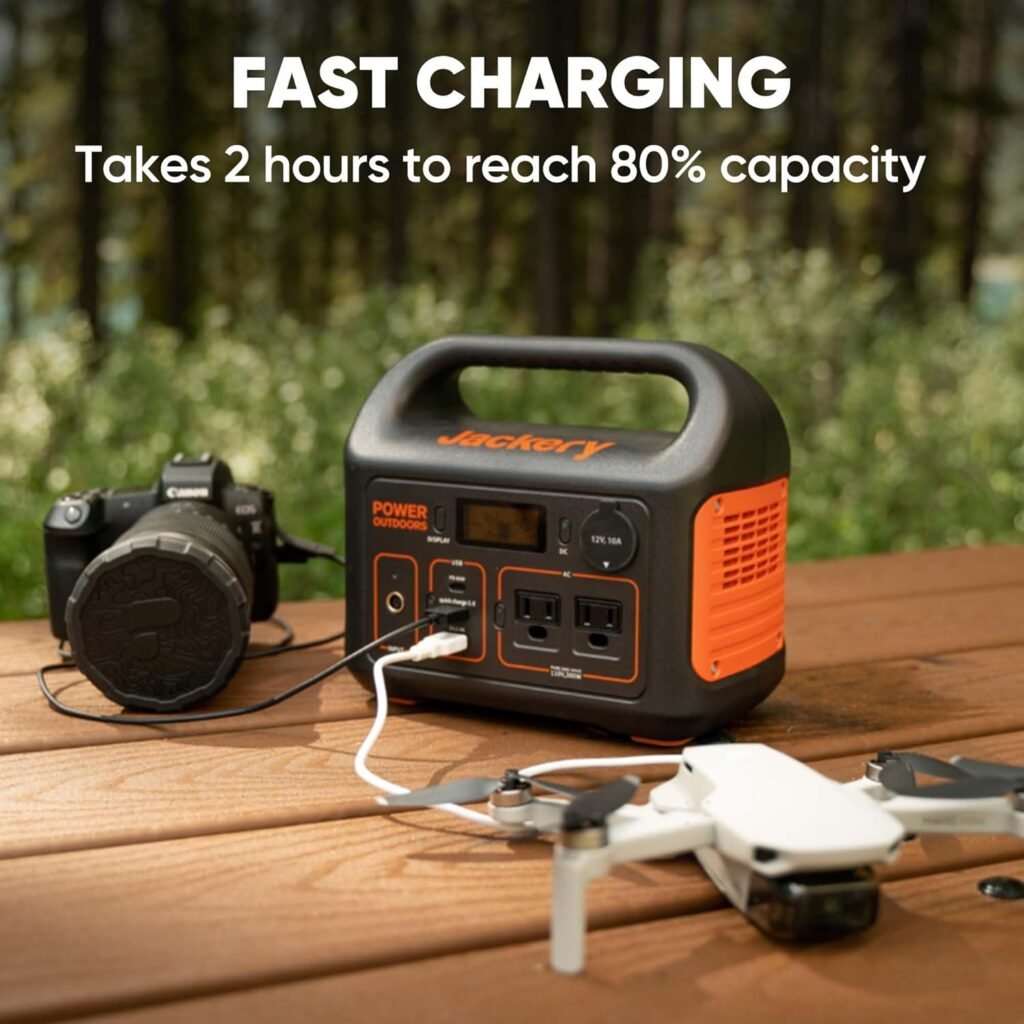
The supplied charging claims are 80% capacity in 2.8 hours with a 100W panel and 80% in 7.5 hours with a portable 40W panel, assuming suitable conditions. Because no solar panel is included, the purchase price starts at $259 and rises when we add a compatible panel. That accessory cost should be included when comparing the Jackery Explorer 300 with bundles that include solar hardware.
Real charging may take longer. Clouds, season, panel angle, shade, dirt, cable placement, temperature, and conversion losses all reduce the energy reaching the battery. Our setup sequence would be:
- Place the compatible panel where sunlight is unobstructed.
- Keep the station dry, shaded from excessive heat, and ventilated.
- Connect the extension cable securely between panel and station.
- Confirm that the charging indicator responds.
- Monitor progress and reposition the panel if sunlight changes.
A 100W panel makes more sense for multi-day off-grid use because it offers a better chance of meaningful daytime recovery. A 40W panel is lighter and may suit occasional maintenance charging when portability matters more than speed. The Jackery Explorer 300 is flexible here, but the panel choice changes the practical experience substantially.
Portability for Camping, Travel, and Hunting
At 7.5 lb, the Jackery Explorer 300 is easier to move than larger power stations, and its integrated handle makes short-distance carrying straightforward. We see the best fit in car camps, road trips, hunting camps, photography locations, and outdoor work where the station travels from a vehicle to a table or shelter. It remains portable rather than weightless, so carrying it on a long hike alongside food, water, and camera gear still requires planning.
The trade-off is capacity. A 292Wh unit creates a smaller physical and carrying burden than a much larger station, but it also provides less reserve for repeated charging or demanding equipment. Useful loads include camera batteries, drone batteries, phones, GPS units, radios, lights, and laptops. The Jackery Explorer 300 can simplify a mixed electronics kit without forcing us to pack separate battery banks for every device.
For outdoor use, we would protect the ports from dirt, keep the unit dry, route the extension cable away from footpaths, and leave air around the station while it operates. It is not described as weatherproof, so rain, snow, mud, and condensation should be treated as hazards rather than normal operating conditions.
To decide whether the Jackery Explorer 300 has enough capacity, we would write down every device, record its wattage, estimate the number of operating hours, and add reserve for unexpected needs. This simple load list is more reliable than judging suitability from the battery label alone, especially when a trip includes both continuous laptop use and intermittent camera or drone charging.
What Customers Are Saying About the Jackery Explorer 300
The supplied product information does not include a displayed star rating or review total, so we cannot responsibly quote a rating, review count, or claim that a particular percentage of buyers preferred this model. That limitation matters: customer sentiment should be checked on the live listing at publication time rather than filled in with an invented number. For the Jackery Explorer 300, we would give more weight to detailed reports than to one-line praise or a single failure story.
Useful reviews should explain the connected load, charging method, duration, and conditions. A laptop report is meaningful when it identifies the laptop’s charger demand and whether the screen was active; a CPAP report should mention humidification and heated tubing; camera and drone reports should state how many batteries were charged. Comments about portability, display clarity, fan noise, cable quality, solar compatibility, and blackout behavior are most helpful when they describe a repeatable experience rather than a vague impression.
We would separate dissatisfaction with the station from dissatisfaction caused by expectations. A buyer expecting a 292Wh unit to run a refrigerator all day may report poor battery life even though the load exceeds this product’s intended class. Similarly, complaints about solar speed may involve a separately purchased panel, weak sunlight, shade, or an unsuitable cable. Repeated reports of depletion, charging interruptions, excessive fan noise, or weak support deserve attention; an isolated anecdote should be treated cautiously.
When checking the Jackery Explorer 300 listing, we would sort for recent feedback, compare similar devices, and look for measured runtime. That approach gives us a clearer picture than relying on vague claims that the Jackery Explorer 300 is either perfect or unusable.
Jackery Explorer Compared With Amazon Alternatives
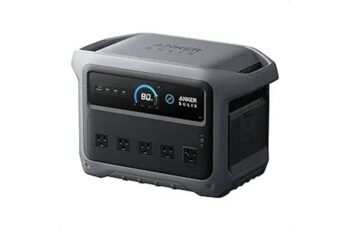
The Jackery Explorer 300 competes with products such as the BLUETTI EB3A and EcoFlow RIVER 2, but current listed prices and configurations should be checked at the time of purchase because promotions, warranties, and package contents change. We should compare capacity class, continuous output, surge behavior, battery chemistry, charging options, weight, and whether a solar panel is included—not just the name on the front.
The Jackery Explorer 300 positions itself around a 292Wh capacity, 300W rated output, 7.5 lb carry weight, 100W USB-C PD port, included 16.4 ft extension cable, and stated LiFePO4 rating of more than 4,000 cycles before 70% capacity. The BLUETTI EB3A and EcoFlow RIVER may appeal differently depending on their current output figures, charging speed, app support, input limits, and port layouts. We should verify each specification directly on the active listing rather than assume every revision uses the same hardware.
Our comparison checklist would include:
- Continuous wattage and peak surge rating.
- USB-C output and the number of AC, USB, and car connections.
- Solar input limits and panel compatibility.
- App features, warranty terms, and display information.
- Whether the advertised package bundles a panel or only the station.
Choose the Jackery Explorer 300 when the carry-friendly design and included extension cable solve a real setup problem. Consider BLUETTI EB3A or EcoFlow RIVER if higher output, faster charging, app control, or a different port arrangement matters more. The right alternative depends on the loads we actually plan to run, not on a headline comparison alone.
Who Should Buy the Jackery Explorer 300?
The strongest audience for the Jackery Explorer 300 includes campers, travelers, hunters, photographers, drone users, remote workers, and households that want phone and laptop support during short outages. Its combination of portable construction, moderate stored energy, six-device connectivity, and LiFePO4 chemistry suits people who move equipment often and expect repeated charging rather than one occasional emergency deployment.
CPAP users are a conditional match. We would first identify the machine’s wattage, determine whether humidification and heated tubing will be used, and compare the estimated overnight requirement with the station’s usable energy. A direct DC connection may be more efficient than an AC adapter, but compatibility must be confirmed for the specific CPAP model. The Jackery Explorer 300 should not be selected for medical reliance without testing the complete setup and maintaining an alternative power plan.
It is a poor match for shoppers who need high-wattage heating appliances, large refrigerators, power tools, or several heavy loads at once. In those cases, a larger station can provide better practical value despite its added weight and price.
We would use this suitability test:
- List the devices we expect to use.
- Record their wattage and estimate operating hours.
- Total simultaneous demand and leave operating headroom.
- Decide whether solar recovery is needed.
- Choose a compatible panel if required.
- Confirm that the package has the cables and adapters our devices need.
The Jackery Explorer 300 makes sense when those numbers fit comfortably, not merely when the product’s compact size looks attractive.
Price, Package Contents, and Overall Value
At a listed price of $259, the Jackery Explorer 300 offers a 292Wh LiFePO4 battery, 300W output, multiple charging ports, an AC adapter, a car charger cable, a user guide, and the 16.4 ft extension cable. The simple purchase-price comparison works out to approximately $0.89 per Wh before adding a solar panel. That figure is not a total ownership cost because it excludes optional accessories, and it does not account for warranty or long-term performance.
Package value depends heavily on how we plan to use the station. An occasional emergency user may appreciate having a compact source for communications and lighting without paying for a much larger system. Regular campers may find the extension cable and multiple ports particularly useful. Frequent off-grid users should budget for a compatible solar panel, because the product itself does not include one; the real entry price is therefore $259 plus the selected panel’s cost.
The stated cycle rating of more than 4,000 cycles before reaching 70% capacity strengthens the long-term case for repeated use, although battery aging will vary with heat, storage, charging habits, and load. We would value that claim most if we expect to cycle the unit regularly rather than leave it untouched for years.
Overall, the Jackery Explorer 300 offers its strongest value to shoppers who want lightweight, moderate-output power for electronics, camping, travel, hunting, or short outages and who accept the extra solar-panel expense. Buyers needing large-appliance support, faster recovery, or substantial reserve should compare a larger or more powerful alternative instead.
Pros and Cons
Pros
- Lightweight 7.5 lb design with an integrated handle
- LiFePO4 chemistry with a stated rating of more than 4,000 cycles before 70% capacity
- Useful six-device layout including a 100W USB-C PD port
- Included 16.4 ft extension cable adds flexibility for solar placement
- Listed $259 price provides a moderate-cost entry into portable backup power
Cons
- Solar panel is not included, increasing the complete solar setup cost
- 300W continuous output limits use with heaters, kettles, hair dryers, refrigerators, and power tools
- 292Wh capacity may be insufficient for long outages or several demanding devices
- Actual runtime and solar charging speed can be lower than headline expectations
- The supplied information does not provide a customer star rating or review count for independent sentiment verification
Final Verdict
Key Takeaways
- The unit combines 292Wh of LiFePO4 storage with 300W continuous output and a 100W USB-C PD port.
- Its 7.5 lb weight and included 16.4 ft extension cable suit camping, travel, hunting, and short blackout use.
- The solar panel is optional, so the complete solar setup costs more than the listed $259 station price.
- Runtime depends on actual device wattage and conversion losses, especially for CPAPs and AC-powered equipment.
- Choose a larger station if you need heating appliances, large refrigeration, power tools, or multiple heavy loads.
Frequently Asked Questions
Does the Jackery Explorer include a solar panel?
No. The package includes the power station, AC adapter, car charger cable, 16.4 ft extension cable, and user guide. A compatible solar panel must be purchased separately.
What can the Jackery Explorer power?
Its 300W rated output is intended for electronics such as laptops, phones, cameras, drones, lights, radios, and tablets. High-draw appliances including kettles, heaters, hair dryers, and many refrigerators are generally outside its intended use.
Is the Jackery Explorer suitable for CPAP use?
It may be suitable, but runtime depends on the CPAP’s wattage, humidifier and heated-tube settings, and whether AC or DC power is used. We recommend testing the complete setup before relying on it overnight or during an outage.
How long does solar charging take?
The supplied claims are 80% capacity in 2.8 hours with a 100W panel and 7.5 hours with a 40W panel under suitable conditions. Clouds, shade, angle, season, and conversion losses can extend those times.
How much does it weigh?
The stated weight is 7.5 lb, making it practical for car camping, travel, hunting camps, and short-distance transport, though it remains substantial pack weight for long hikes.
Disclosure: As an Amazon Associate, I earn from qualifying purchases.