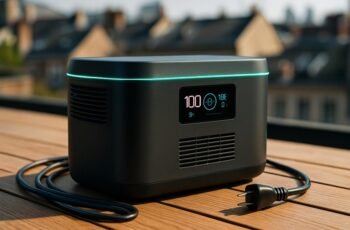
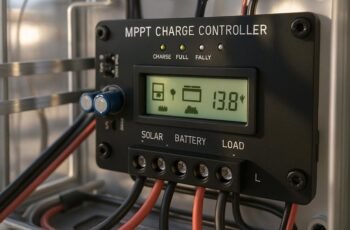
We design off-grid energy systems with portable power stations by focusing on how storage, conversion, and control interact under real-world loads. We balance essential versus optional needs, size for worst-case conditions, and maintain predictable performance through robust protection and thermal management. Our approach is system-level: clarify interfaces, duty cycles, and maintenance rhythms so you can forecast runtimes and expansion. There’s more to it than capacity, and the practical implications will become clear as we outline concrete sizing and safety considerations.
Key Takeaways
- Portable power stations enable off-grid reliability by balancing storage, predictable loads, and renewable input variability within defined operating boundaries.
- System architecture combines energy storage, power conversion, protection, and robust BMS to maintain safe, reliable operation.
- Scenario-based sizing starts from daily energy use, adds margin, and maps to capacity tiers (Base to Ultra) for practical weight and footprint.
- Real-world use cases emphasize flexible outlets, charging methods, pass-through safety, and clear prioritization of essential loads.
- Safety, maintenance cadence, and lifecycle planning ensure predictable performance, degradation awareness, and actionable fault handling.
What Off-Grid Power Really Delivers: Foundational Purpose and Constraints
Off-grid power isn’t a magic fix; it’s a deliberate system choice with clear limits and concrete benefits. We frame its value through foundational purpose and constraints, not hype. Our goal is reliability within defined boundaries: we design for predictable loads, renewable input variability, and storage duration. We address off grid myths by distinguishing essential loads from optional ones and by sizing for worst‑case conditions. Power reliability comes from balanced energy budgets, proper storage, and robust control logic. We also debunk portable charging myths by clarifying what portable sources can sustain and when they supplement rather than replace steady generation. Storage best practices—cycling discipline, temperature awareness, and degradation planning—anchor long‑term performance. In this framing, the system remains transparent, auditable, and aligned with users’ real needs.
How Portable Power Stations Work: Core Technology in Plain Terms
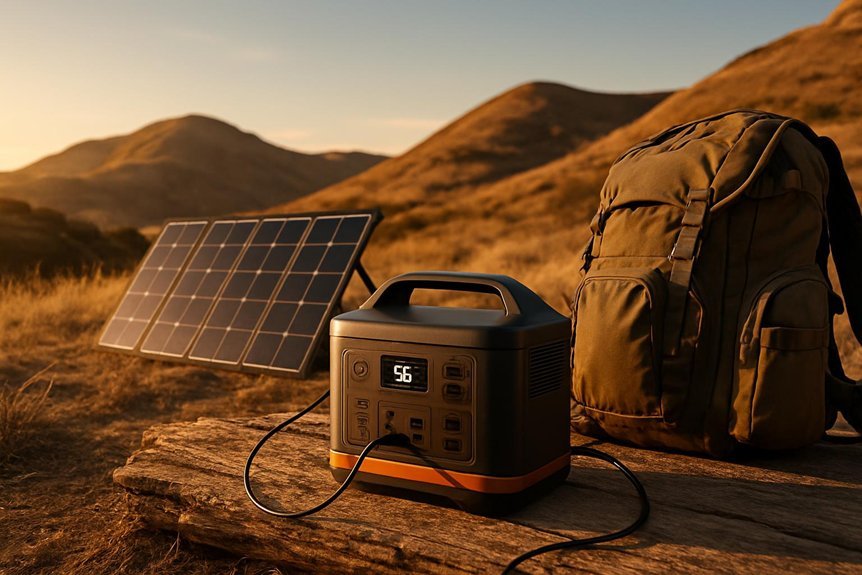
How do portable power stations deliver usable energy in real-world conditions? Weframe their core tech as a system: energy storage, power conversion, conditioning, and protection. At the heart, cells store chemical energy; controllers manage charging and discharging, balancing voltage, current, and temperature. DC–AC inverters translate stored energy into usable mains-like waves, while bi-directional ports handle charging from solar, AC, or auto-start generators. Battery management keeps cells within safe ranges, extending life and reliability. System-level safeguards—short-circuit, overcurrent, and thermal protections—prevent cascading failures. Thermal management maintains performance under load. Sparked terms like sonic boom remind us peak events demand robust design, not novelty; quantum tunneling underpins microscopic leakage concepts that engineers quantify to avoid degradation. In practice, simplicity and clarity guide component selection and integration for dependable, portable energy.
Real-World Use Cases: Camping, Remote Work, and Emergencies
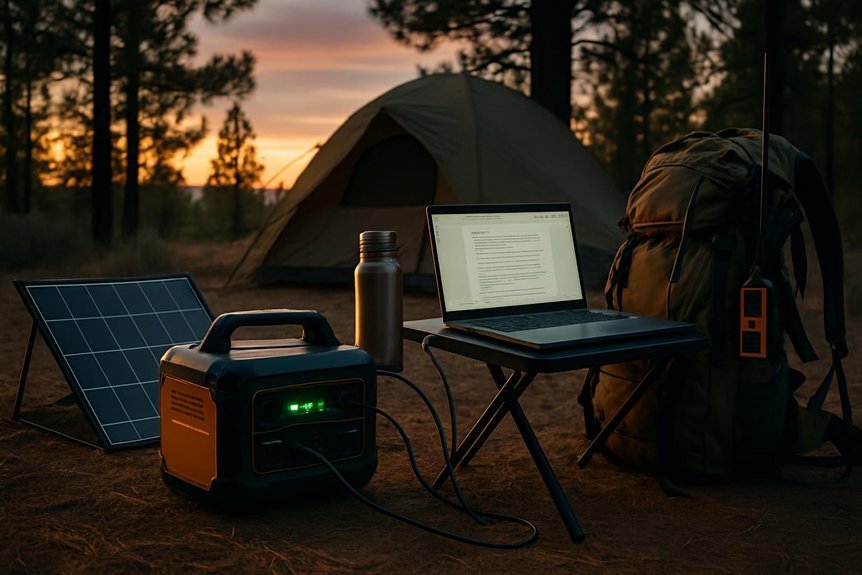
Do portable power stations shine in real-world scenarios by meeting three core needs: reliable energy, adaptable interfaces, and safe, predictable behavior under load. We assess camping, remote work, and emergencies with system-level thinking, emphasizing dependable runtimes, charging flexibility, and robust protection. In practice, users compare brands, evaluate color options, and prioritize modular expandability, heat management, and lifecycle metrics to minimize field surprises.
- Comparing brands: reliability, warranties, and service networks matter
- Color options: visibility, heat absorption, and branding fit
- Real-world runtimes: aero-rests, LED metrics, and peak-traffic handling
Our conclusion: portable stations deliver predictable performance across scenarios, but decisions must align with task profiles, payload, and environmental conditions to ensure smooth contingency planning.
Matching Battery Capacity to Your Use Case: How Much Power for Your Scenario
We start by aligning daily power requirements with achievable battery capacity, translating consumption patterns into usable runtime. We’ll outline battery capacity planning and scenario-based sizing to ensure a portable system meets peak loads and extended outages. Our approach emphasizes system-level thinking: quantify needs, match to usable energy, and validate with real-world use scenarios.
Daily Power Requirements
Determining daily power needs starts with a clear consumption profile: we tally every device and its typical runtime to size a battery pack that meets demand without excess. We translate usage into watt-hours per day, then add a modest safety margin to cover variability and startup surges. This is a system-level exercise, not a guess.
- Catalog devices by category (lighting, appliances, charging) and note duty cycles
- Sum the expected daily energy, then compare to inverter and battery efficiencies
- Validate with real-world tests to avoid off grid misconceptions and unexpected portable noise
Battery Capacity Planning
| Capacity tier | Typical daily use (Ah) |
|---|---|
| Base | 40–80 |
| Extended | 80–160 |
| Ultra | 160–320 |
| Reserve | >320 |
Scenario-Based Sizing
How much battery capacity do you actually need for your scenario? We approach sizing with system-level thinking, balancing load profiles, efficiency losses, and reuse cycles to minimize waste. By mapping duty cycles to storage, we target reliable operation while keeping weight and footprint reasonable. This scenario-based method helps us align capacity with real use, not just theoretical peaks, enabling compact recharge without overbuilding.
- Evaluate peak and average loads to set engineering margins
- Profile duty cycles for critical versus noncritical tasks
- Prioritize weight optimization through selective chemistry and packaging
We emphasize practical constraints: transportability, charge cadence, and environmental conditions. With this approach, battery packs become predictable, resilient components rather than oversized guesses, improving lifecycle cost and performance for portable power stations.
Essential Outlets and Connectivity: What You’ll Actually Need
To operate reliably, you’ll need a clear view of which outlets and connectivity options a portable power station actually provides and how those pieces fit into your system. We map exact port types (AC, USB-C, USB-A, DC barrel, 12V auxiliary) to anticipated loads, noting polarity, voltage, and current limits. Outlet placement matters: distribute high-draw devices across multiple ports to avoid thermal bottlenecks and to keep cable runs tidy. We also assess connectivity options beyond outlets—pass-through charging, MPPT compatibility, and passthrough safety cells—to maintain useful systems during maintenance. Consider noise considerations from fans and switching circuitry; plan enclosure spacing and ventilation accordingly. Our goal is a modular, resilient backbone that supports predictable runtimes, rapid troubleshooting, and scalable expansion without sacrificing safety or performance.
Charging Methods Explained: Solar, Wall, Car, and When to Use Each
Charging methods matter because the way you replenish energy shapes reliability and runtime as your system scales. We’ll compare solar, wall, and vehicle charging to help you schedule usage and maximize capacity. Solar power is great for long-term, quiet charging, but beware solar myths that promise instant fills; real-world light, temps, and panel aging limit throughput. Wall charging delivers fast, predictable replenishment with stable AC purity, yet it ties you to infrastructure and timing. Car charging adds flexibility on the go, but compromises depend on vehicle adapter compatibility and voltage defaults. For practical use, prioritize overnight wall fills, occasional solar boosts, and opportunistic car charging when schedules align.
- Solar myths vs. reality
- Wall charging caveats
- When to mix methods for reliability
Durability and Longevity for Outdoor Use: Build Quality and Lifecycle
We design portable power stations for outdoor use with an eye toward ruggedness, modularity, and predictable lifecycles; when exposure, temperature swings, and rough handling come into play, material choices and enclosure design become the first line of defense. Our approach emphasizes build quality that remains functional under field conditions, with joints, fasteners, and seals chosen for repeatable stress tolerance. We integrate robust enclosure materials, debond-resistant coatings, and EMI protection to minimize degradation. Durability testing informs component selection, identifying wear paths before field deployment. Lifecycle analysis guides maintenance intervals, predicted replacement needs, and end-of-life decisions, aligning with system-level reliability. We quantify margins for thermal cycling, vibration, and UV exposure, ensuring predictable performance curves across mission profiles while keeping serviceability practical and clear.
Safety, Maintenance, and Troubleshooting: Keeping It Reliable
We implement strict Battery Safety Protocols and Routine Maintenance Checks to keep portable power stations reliable in all operating modes. We’ll guide you through practical, system-level steps that address charging limits, thermal management, and fault detection to prevent cascading failures. Our goal is clear: establish prescriptive routines that you can follow now to reduce risk and extend service life.
Battery Safety Protocols
- Handle packs with care, using non‑metal tools and grounded reference points
- Inspect terminals, housings, and thermal barriers before each use
- Implement routine voltage, temperature, and insulation checks with documented pass/fail criteria
Routine Maintenance Checks
Routine maintenance checks are the time to verify that safety, reliability, and performance remain at peak levels after the battery safety work, and they bridge from inspecting components to confirming the system’s ongoing health. We present a structured cadence that aligns with our maintenance cadence, ensuring components, connections, and firmware stay current. We assess battery health, thermal profiles, and DC-AC conversion efficiency, documenting deviations and corrective actions. Our checks emphasize system-level coordination: load behavior, energy budgeting, and monitoring alerts across portable power stations and auxiliary grids. Seasonal storage considerations, charge-discharge cycles, and float voltages are reviewed to prevent capacity loss. We integrate safety overrides, verify protective relays, and confirm fault logs are actionable, enabling rapid, informed decisions for dependable off-grid operation.
Compare Models Effectively: Features, Weight, and Price
How do we compare portable power stations in a meaningful, decision-ready way that cuts through marketing hype? We blend features, weight, and price/value into a single assessment, then map to use cases. We rate how each model handles peak loads, duty cycles, and device compatibility, while noting build quality and thermal behavior. Weight matters for transport and deployment in/off-grid scenarios, not just raw capacity. Price/value is anchored to total cost of ownership, including longevity, warranty, and serviceability. We favor models that align with our system-level goals: reliability, modularity, and energy resilience.
- Feature set relevance and upgrade paths for anticipated loads
- Real-world weight-to-capacity implications and portability
- Price/value over lifecycle, including maintenance and replacement costs
Quick Start Guide: How to Buy, Install, and Use Your Power Station
We’ll start with clear buying criteria, then map setup to everyday use: choose a power station that matches your anticipated loads, payloads, and runtime needs, with a realistic view of peak surges and duty cycles. We’ll guide you through selection, installation, and use with a focus on storage efficiency and heat management. Our approach: verify input options, battery chemistry, inverter size, and expandability; plan placement for ventilation; connect chargers, solar if possible, and monitor temps. In practice, prioritize modularity, thermal margins, and efficient cycles. Table below contrasts core metrics.
| Criterion | Rationale |
|---|---|
| Storage efficiency | Minimizes losses during discharge/charge |
| Heat management | Sustains performance under load |
Frequently Asked Questions
How Do Weather Conditions Affect Battery Performance Outdoors?
We’re seen that weather impact, especially temperature sensitivity, degrades charge efficiency and accelerates battery aging, reducing cycle life outdoors. Temperature swings strain chemistry, so we plan thermal management, protective enclosure, and accurate state-of-charge tracking for reliable performance.
Can Portable Power Stations Power High-Draw Appliances Simultaneously?
We can power high-draw appliances simultaneously, though with limits: portable power stations deliver burst capability and sustained draw. Our system-level approach guarantees safe sharing of loads, balancing efficiency and heat, so we manage high-draw devices effectively.
What Are Hidden Costs Beyond Purchase Price?
Hidden costs beyond purchase price include maintenance fees, battery replacement cycles, inverter efficiency losses, warranty limitations, shipping and handling, calibration needs, firmware updates, and potential insurance impacts; we, as engineers, assess these for long-term reliability and lifecycle cost.
Do All Units Support 240V International Use?
Yes, not all units support 240V international use; we evaluate units compatibility, voltage variance, battery chemistry, and charging standards to ensure safe operation. We’ll verify input tolerances, converter capabilities, and system-level safeguards for universal applicability.
How Long Is Practical Battery Life Under Continuous Use?
We answer: battery longevity under continuous use varies, but practical life spans are measured in years, with thermal effects accelerating degradation. We, however, emphasize monitoring temps and loads to sustain reliability and extend durability across the system.
Conclusion
We’ve laid out a practical path: off‑grid power isn’t magic, it’s a disciplined system. Think of storage, conversion, and protection as a reliable trio that keeps essential loads alive while optional demands ride along. With thoughtful sizing, modular outlets, and clear maintenance cadence, you gain dependable runtimes and scalable peace of mind. Use euphemism to navigate tradeoffs—balance weight with capability, cost with longevity—and stay proactive about safety, diagnostics, and lifecycle planning. In short, plan, test, and evolve.